Categories
Blogs

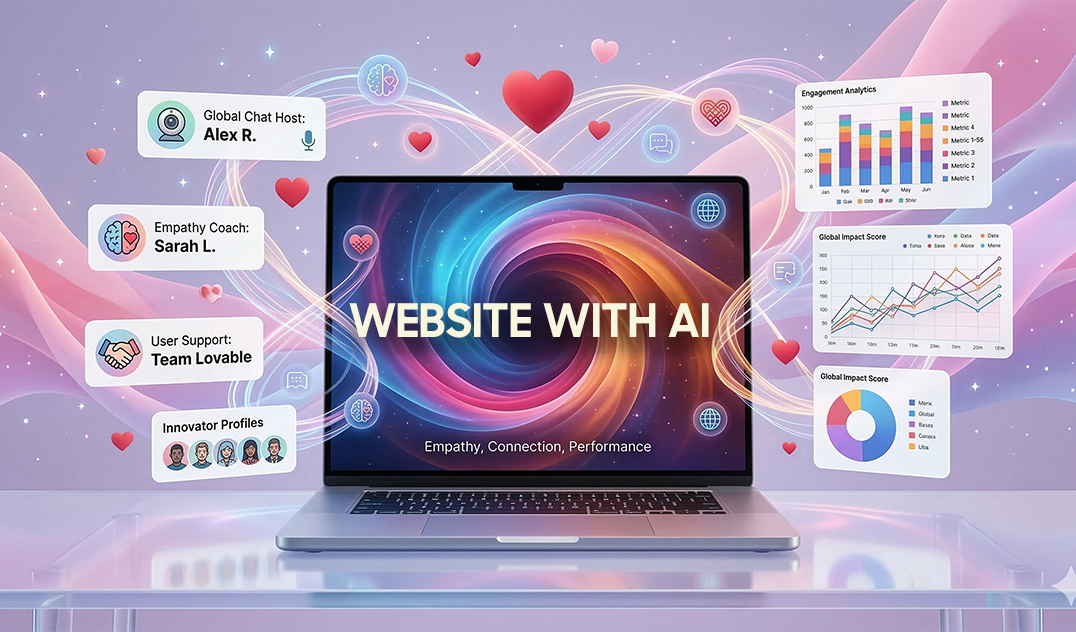
How AI and Web Design Together Can Turn Websites into Brand Growth Engines

In the early days of the internet, a website was often described as a “digital brochure”, a static collection of pages that provided information but did not interact with the visitors. Those days are long gone. In today’s hyper-competitive digital world, a website should be more than an online placeholder; it should function as a high-performing sales representative, a 24/7 customer support specialist, and a powerful engine for brand growth. 

The catalyst behind this transformation is AI web design. By integrating artificial intelligence into the core of web development and strategy, businesses are moving away from traditional “best guess” design towards an intelligent, data-driven marketing engine. AI is enabling a website to stop being a passive tool and 

As we look at the future of digital presence, it is clear that AI is no longer just an experimental add-on. It is becoming the essential foundation for any modern brand that wants to turn casual clicks into loyal customers.

What is AI Web Design and Why It Matters for Modern Brands

AI web design refers to the use of artificial intelligence and machine learning algorithms to create, manage, and optimize digital experiences. Unlike traditional web design, which relies on static layouts and periodic manual updates, AI-driven design is dynamic. 

Defining the Shift

Traditional web design is often subjective, based on what looks good to a designer or stakeholder. In contrast, data-driven web design uses AI to analyze massive datasets, ranging from heatmaps and click-through rates to scrolling behavior, to determine the most effective structure for a site. 

  • Behavioral Analysis: AI tools can track how users navigate a site, identifying where they get confused or where they drop off.
  • Automated Improvements: Instead of waiting for a quarterly review, AI can suggest or even implement layout adjustments to improve flow.
  • Learning Capability: An AI-driven site “learns” from every visitor, refining its understanding of what drives engagement.

For modern brands, this matters because it eliminates the stagnation that plagues many corporate websites. By using AI, your digital storefront can become a living entity that evolves alongside your audience’s preferences. 

How AI Web Design Improves Website Performance and User Experience

The primary goal of any website is to provide value to the user. When a site is difficult to navigate or slow to load, the value is lost. How AI improves web design is most evident in performance and user experience (UX). 

AI-Powered User Experience

An AI-powered user experience is built on the concept of “anticipatory design.” Rather than making the user search for what they need, the site predicts it.

  • Hyper-Personalization: AI analyzes a visitor’s past behavior or referral source to present the most relevant content first.
  • Intelligent Content Placement: AI determines the optimal position for headlines, images, and videos based on what has historically captured the most attention.
  • Enhanced Accessibility: AI tools can automatically generate alt-text for images, provide real-time language translation, and adjust contrast for visually impaired users, ensuring a premium experience for everyone.

Using AI to Improve Website Performance

Performance isn’t just about “feel”; it’s about technical precision. Using AI to improve website performance involves:

  • Speed Optimization: AI-driven image compression ensures high-quality visuals without the heavy load times.
  • Real-Time Error Detection: AI bots can continuously crawl a site to detect broken links or code bugs before a user ever sees them.
  • Responsive Automation: AI ensures that whether a user is on a high-end desktop or a budget smartphone, the layout adapts perfectly to their specific hardware constraints.

Benefits of AI Web Design for Businesses

Investing in AI-driven solutions can provide a significant competitive advantage. The benefits of AI in website design extend far beyond aesthetics, impacting the organization’s bottom line. 

  • Accelerated Development: AI can handle repetitive coding tasks and generate initial layouts, allowing human designers to focus on high-level strategy and creative storytelling.
  • Cost Efficiency: By automating testing and performance monitoring, businesses reduce the need for constant manual intervention and expensive “fix-it” projects.
  • Automated SEO: AI tools can analyze search trends in real time, suggesting content optimizations and meta tag adjustments to help the site stay at the top of search engine results pages (SERPs).
  • Scalability: As a business grows, AI can manage the increasing complexity of a site, from localized content for different regions to managing thousands of product SKUs in an e-commerce environment.

Most importantly, data-driven web design can remove the guesswork. Every decision from the color of a button to the length of a form is backed by evidence, significantly improving the Return on Investment (ROI) of the digital presence. 

AI Website Personalization: Delivering Unique Experiences for Every Visitor

Generic experience can lead to generic results. AI website personalization is the process of creating a unique digital journey for every individual visitor. 

How It Works

AI can identify patterns in visitor behavior, such as time spent on specific pages, geographic location, and previous interactions, which can be used to tailor the interface. 

  • Dynamic Landing Pages: If a user arrives from a LinkedIn ad for B2B services, the AI can prioritize case studies and professional white papers. If they arrive via Instagram, it might highlight visual portfolios or lifestyle content.
  • Personalized Offers: Instead of showing a universal discount code, the site can offer a “Welcome Back” incentive to returning users or a “First-Time Buyer” guide to new ones.
  • Predictive Recommendations: Much like Netflix or Amazon, an AI-optimized website can suggest “The Next Best Action” for a user, keeping them engaged for longer.

When a visitor feels that a website “understands” their needs and requirements, trust is built instantly. This personalized touch is a key driver in increasing engagement and long-term brand loyalty. 

How AI Web Design Can Increase Website Conversions

Ultimately, a website’s success is measured by its ability to convert. How AI can increase website conversions is through a combination of psychology and precision.

  • Optimizing CTA Placement: AI heatmaps reveal exactly where a user’s eyes land. By placing “Call to Action” buttons in these high-interest zones, conversion rates naturally climb.
  • AI Chatbots for Lead Gen: Intelligent bots can qualify leads in real time, answer common questions, and book meetings while the human team is offline.
  • Automated A/B Testing: Traditional A/B testing can take weeks. AI can run hundreds of variations simultaneously, quickly identifying the winning combination of copy and imagery.
  • Behavior-Based Funnels: If the AI detects a user is about to “bounce” (leave the site), it can trigger a targeted exit-intent popup or a specific offer to keep them in the conversion funnel.

By treating every visitor interaction as a data point, AI helps businesses turn cold traffic into warm leads and, eventually, paying customers.

How Moonbox Uses AI Web Design to Build High-Performing Websites

At Moonbox, we build intelligent growth engines and not just websites. As the best digital agency in Dubai, we have integrated AI into every stage of our web design process to ensure our clients stay ahead of the curve. 

Our Data-Driven Strategy

We begin every project by looking at the numbers. Moonbox utilizes AI to analyze industry trends, competitor movements, and existing user behavior. This will allow us to build a data-driven web design strategy that is not just beautiful but strategic. 

AI-Powered User Experience Optimization

We implement advanced tracking and AI UX analysis to see how users interact with your brand. Our team uses these insights to automate layout optimization, ensuring the AI-powered user experience we deliver is frictionless and intuitive.

AI-Based Personalization

We believe in the power of individuals. Through AI website personalization, Moonbox creates dynamic user experiences where content changes based on who is viewing. From targeted landing pages to personalized messaging, we make sure your message hits home every time. 

Conversion Optimization with AI

Our goal is your growth. Moonbox uses proprietary AI tools to optimize CTAs, refine conversion funnels, and perform continuous testing. The result is a website that doesn’t just attract visitors, it converts them with surgical precision. 

Why Businesses Should Invest in AI Web Design Now

The digital marketplace is becoming increasingly crowded. As users’ expectations rise, tolerance for slow, generic, or confusing websites is at an all-time low. AI web design is no longer a luxury for tech giants; it is a necessity for any business that wants to remain relevant. 

Investing in these technologies today means your brand is “future-ready.” You are not just building a site for this year; you are building a system that will continue to learn and grow as technology evolves. Websites are transforming from static pages into automated brand growth engines, and those who adopt early will lead their respective industries. 

Turn Your Website into a Brand Growth Engine with AI Web Design

Your website has the potential to be your most valuable asset. By accelerating development cycles, utilizing AI-driven personalization, and optimizing your conversion funnels with intelligent data, you can transform your digital presence into a 24/7 revenue generator. 

Don’t settle for a website that just sits there. Build a smarter, high-performing platform that works as hard as you do.

Why settle for guesswork when you can use data-backed AI design to reach your customers? Our team at Moonbox combines creative expertise with advanced AI tools to improve your site’s performance and maximize every click. Let’s transform your website from a digital brochure into a powerful conversion machine.

FAQs

  1. What is AI web design?
    AI web design refers to the use of artificial intelligence and machine learning to create, optimize, and personalize websites. Unlike traditional web design, AI web design analyzes user behavior and adapts layouts, content, and navigation in real time to improve the user experience. By integrating AI-powered tools for automated coding, layout generation, and behavioral analytics, businesses can build websites that are faster, more intuitive, and better optimized for goals such as lead generation, engagement, and online sales.

  2. How does AI improve website performance?
    AI improves website performance by automating technical optimizations such as image compression, real-time code monitoring, and predictive server management. These AI-driven processes help websites load faster and remain stable even during traffic spikes. Additionally, AI continuously analyzes user engagement and technical performance, identifying issues instantly and resolving bottlenecks. This ensures websites stay fast, responsive, and optimized for both SEO rankings and user experience.

  3. Can AI increase website conversion rates?
    Yes, AI can significantly increase website conversion rates by analyzing visitor behavior and optimizing the user journey. AI tools use predictive analytics and heatmaps to determine the best placement for Call-to-Action (CTA) buttons, content sections, and forms. AI also enables automated A/B testing and personalized triggers, such as showing targeted offers when users are about to leave the website. These intelligent optimizations help convert more visitors into leads and customers.

  4. Is AI web design suitable for small businesses?
    Yes, AI web design is highly suitable for small businesses because it provides advanced automation and data-driven insights without requiring large technical teams. Small brands can use AI tools to deliver a personalized, professional user experience comparable to that of large enterprises. AI-powered platforms also automate SEO, performance monitoring, and user personalization, allowing small businesses to focus on growth while their websites continuously optimize for better visibility and conversions.

  5. How can businesses implement AI website personalization?
    Businesses can implement AI website personalization by using tools that analyze visitor data, such as browsing behavior, location, and referral sources. This allows the website to dynamically adjust content, product recommendations, and messaging for each user. By integrating AI-driven personalization systems, businesses can deliver smart content experiences where first-time visitors see brand introductions while returning users receive tailored offers, improving engagement and conversion rates.
Categories
Blogs

How a Portfolio Website Can Increase Your Client Inquiries

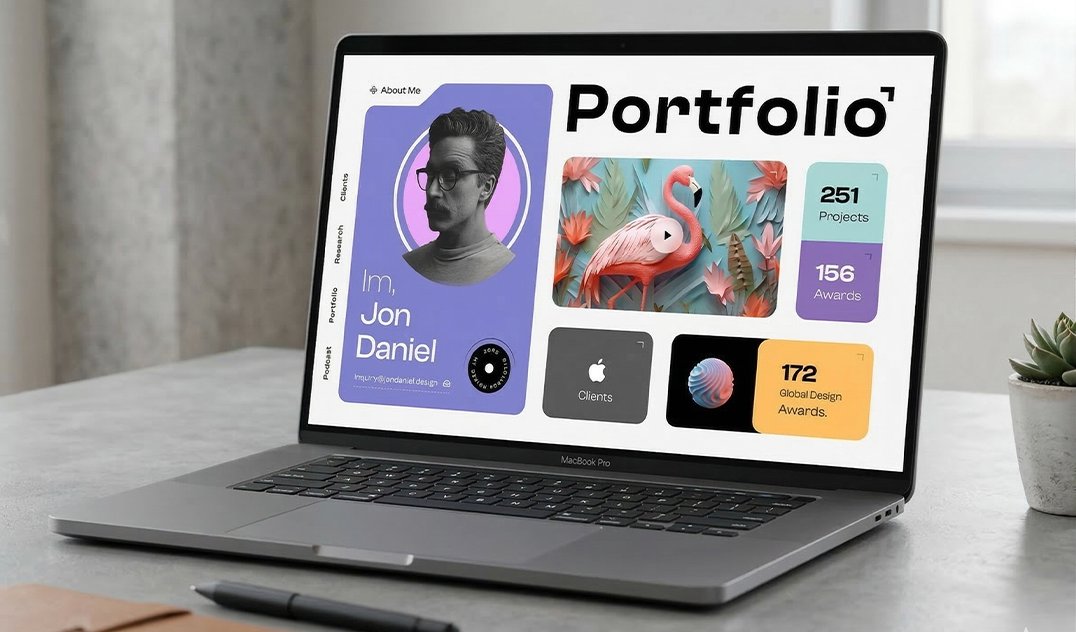
Today, the digital landscape has become hyper-competitive, and a business without a high-performing online presence is essentially invisible. For creative professionals, consultants, and growing startups in Dubai, simply “having a website” is no longer the benchmark for success. To truly thrive, you need a professional portfolio website that does more than just display images; it must function as a 24/7 digital sales engine. 

With a well-architected portfolio, you can bridge the gap between a casual browser and a high-value lead. It establishes immediate brand credibility, showcases your unique problem-solving capabilities, and provides the “social proof” necessary to settle client doubts before they even pick up the phone. At Moonbox, we specialize in transforming static galleries into dynamic lead-generation websites that not only look stunning but also actively drive consistent client inquiries and business growth.

Why a Portfolio Website Is Important for Your Business

A professional portfolio website is the digital headquarters of your brand. In a market as fast-paced as the UAE, potential clients often vet partners online before even initiating a conversation. If your work is not presented with strategic intent, you are leaving money on the table. 

Showcasing Expertise and Authority

A portfolio is not just a list of past jobs; it is a curated exhibition of your expertise. It allows you to demonstrate how you solve problems, rather than just stating what you do. By highlighting complex projects, you can provide a roadmap of your capabilities that speaks directly to your prospects’ pain points. 

Building Trust in a Saturated Market

Trust is the currency of the digital age. For businesses in Dubai and across the UAE, where competition is global, a polished website signals that you are an established, reliable entity. It moves the conversion from “Are they capable?” to “How soon can they start?”

A Digital Representation of Your Brand

Your website is the only platform where you have 100% control over the narrative. Unlike social media profiles, a dedicated portfolio website allows you to wrap your work in a bespoke user experience (UX) that reflects your brand’s luxury, innovation, or technical precision. 

How a Portfolio Website Turns Visitors Into Client Inquiries

The primary goal of a business website that converts visitors is to reduce friction in the buyer’s journey. High-performing agencies design portfolios with a “conversion-first” mindset, using psychological triggers to guide users towards the inquiry form. 

  • Curated Project Selection: You don’t need to show everything you’ve ever done. A strategic portfolio focuses on the type of work you want to attract next. High-quality, high-impact projects create a “halo effect” across your entire brand.
  • Case Study Storytelling: Statistics show that clients are more likely to hire someone who can demonstrate a clear “Before vs. After.” By explaining the challenge, the strategy, and the measurable result, you transform a simple image into a compelling business case, similar to how high-converting landing pages capture attention and drive conversions.
  • Trust Signals: Integrated client logos, industry certifications, and localized Dubai-based awards provide the external validation needed to convert a skeptic into a lead.
  • Strategic CTAs: A visitor shouldn’t have to hunt for a way to contact you. Placing clear, persuasive Calls to Action (CTAs) at the end of every project ensures that when inspiration strikes, the path to inquiry is seamless.

Key Features of a Portfolio Website That Generate Leads

To rank among the best portfolio website builders or agencies in the UAE, a site must master both aesthetics and functionality, which is why many businesses invest in professional web design and development strategies. These are the non-negotiables: 

Clear Project Showcases

Every project should act as a mini-landing page. Use high-resolution images, but back it up with data.

Strong Calls to Action (CTAs)

Your CTAs should be prominent and persuasive. Instead of a generic “Submit,” use action-oriented language:

  • “Book Your Branding Audit”
  • “Request a Custom Quote”
  • “Start Your Project Today”

Client Testimonials

Social proof is the core of brand credibility. In 2026, we recommend using the “Bento Grid” layout to display testimonials, combining text with small video clips to enhance authenticity. 

Mobile-Friendly and Fast Website

With over 70% of UAE web traffic coming from mobile devices, a mobile-responsive website is mandatory. Google’s 2026 algorithms prioritize “Core Web Vitals,” meaning if your site takes longer than 2.5 seconds to load, you are likely losing half your potential inquiries before they even see your work.

Why Businesses Should Invest in Professional Portfolio Website Design

While DIY website builders exist, they often lack the “under-the-hood” optimization needed to rank in competitive markets. To choose professional portfolio website design services, you get a return on investment that a template simply cannot match. 

  • Custom User Experience (UX): Agencies like Moonbox design user journeys, not just pages. We map out exactly where a user’s eye will go, ensuring they hit your “Contact” button at the moment of peak interest.
  • Advanced SEO Integration: Professional designers build with Search Engine Optimization in mind from day one. This includes proper schema markup, optimized image alt text, and a site architecture that helps you rank for terms like “portfolio website design Dubai”.
  • Bilingual Optimization: In the UAE, the ability to switch seamlessly between English and Arabic (with RTL support) is a significant competitive advantage. A professional agency ensures your brand’s “voice” remains consistent in both languages.

Common Mistakes Businesses Make With Their Portfolio Website

Even the most talented creatives can fail to generate inquiries if their website suffers from these common pitfalls:

  • The “Ghost Town” Portfolio: Displaying projects from five years ago suggests your business is stagnant. Freshness is a key signal for both users and search engines.
  • Vague Messaging: If a visitor can’t tell exactly what you do within three seconds of landing on your home page, they will bounce.
  • Hidden Contact Info: Don’t make people go on a scavenger hunt to hire you. Your contact info should appear in the header and footer, and at the end of every case study.
  • Ignoring Local SEO: Many UAE businesses forget to optimize for portfolio website designers. Without geographic SEO (GEO), you’re competing with the whole world instead of winning your local market.

How a Portfolio Website Helps Your Business Generate More Leads

Think of your website as a digital sales funnel. By integrating digital marketing services with a high-end portfolio, you can create a self-sustaining lead engine: 

  1. Attraction (SEO): High-quality, long-form content and case studies rank for long-tail keywords.
  2. Engagement (UX): Beautiful visuals and micro-interactions keep users on the page longer.
  3. Conversion (CRO): Strategic CTAs and trust signals turn that engagement into an inquiry.

When your portfolio is optimized, it doesn’t just show what you’ve done—it sells what you can do. This significantly reduces the sales cycle, as many clients will have already decided to hire you before they even hop on a discovery call.

Build a Portfolio Website That Attracts Clients

Building a website that ranks and converts requires a blend of artistic vision and technical precision. At Moonbox, we don’t just make websites; we engineer digital assets that drive revenue. If you are a consultant looking to establish authority or a startup ready to disrupt the Dubai market, our team combines branding services with advanced web development to ensure your portfolio stands out. 

We focus on:

  • Conversion-focused UI/UX to maximize inquiry rates.
  • SEO-rich site architecture to ensure the right audience finds you.
  • Scalable digital portfolio structures that grow with your business.

Ready to transform your online presence? Book a Consultation with Moonbox today, and let’s build a portfolio that works as hard as you do.

FAQs

  1. What is a professional portfolio website?
    A professional portfolio website is a curated digital space designed to showcase a business or individual’s work, skills, and past success. Unlike a standard website, it focuses heavily on case studies and visual proof to build credibility and encourage potential clients to send an inquiry.
  2. How does a portfolio website help generate client inquiries?It generates inquiries by providing “proof of concept.” By showing potential clients exactly how you solved similar problems for others, you build trust. Combined with strategic CTAs and conversion optimization, it makes the transition from “viewer” to “lead” seamless.
  3. How much does portfolio website design cost in Dubai?
    In 2026, the cost of a high-quality, custom professional portfolio website in Dubai will depend on complexity, page count, and bilingual requirements. Basic template-based sites may cost less, but often lack the SEO power of custom builds.
  4. What should a portfolio website include?
    At a minimum, it should include a high-impact homepage. This “About” section establishes E-E-A-T, a “Services” page, a “Portfolio/Work” section with detailed case studies and client testimonials, and a simplified “Contact” page with a clear lead-capture form.
  5. Should businesses hire professionals for portfolio website design?
    Yes. While DIY tools are accessible, they often lead to slow loading times and poor SEO. Professional portfolio website design services ensure your site is mobile-optimized, secure, and strategically designed to rank on Google and convert visitors into high-paying clients.
Categories
Blogs

How a Website Redesign Can Refresh Your Brand Identity

When Your Website No Longer Feels Like “You.”

There will always be a stage in every growing brand’s journey when the website no longer reflects who the company has become. Perhaps your services have evolved. Or your positioning has matured. You might have entered a new market across Dubai or the wider UAE. Yet your digital presence still communicates the version of your business from three years ago. 

That disconnect is costly.

For most businesses in the UAE, a website is not just a digital brochure; it is the first impression. Within seconds, visitors decide whether your brand feels trustworthy, premium, innovative, or outdated. 

When your design, messaging, and user experience are misaligned with your current brand identity, you risk losing high-value leads, weakening perceived authority, reducing conversion rates, and undermining market investments. 

A website redesign is not only about simple aesthetics. It is a strategic reset, an opportunity to realign your digital presence with your brand’s evolution, ambition, and market positioning. 

What Is a Website Redesign and Why Does It Matter for Branding

A real website redesign can go beyond cosmetic adjustments. There is a difference between a visual and strategic transformation. 

  • A refresh updates colors, fonts, or images.
  • A redesign rethinks structure, messaging, user flow, and brand perception.

Your website is the most visible expression of your brand identity. Layout, typography, spacing, imagery, and micro interactions communicate subtle but powerful psychological messages: 

  • Minimal design suggests confidence.
  • Structured navigation suggests reliability.
  • Premium photography signals quality.
  • Thoughtful UX signals care.

Digital consistency matters. If your social media, physical branding, and marketing campaigns communicate one identity, but your website communicates another, your brand credibility can take a hit. 

For transforming and growing businesses in Dubai’s competitive landscape, consistency across every touchpoint is non-negotiable. 

Key Brand Signals That a Website Redesign Can Fix

Many businesses recognize the need for redesign, but they cannot always articulate the reasons. The signals are often subtle, but powerful. 

  • Outdated Visual Language

Design trends can evolve, so can user expectations. Heavy gradients, dated typography, cluttered layouts, and stock-heavy imagery can subtly signal that the brand is behind the curve, even if the business itself is innovative. 

A redesign will allow you to modernize your visual systems and sync it with contemporary digital standards. 

  • Confusing UX

If users are struggling to find services, pricing, or contact information, the problem is not traffic; it is clarity. Strong UX is not decorative; it is strategic. In fact, effective web design for conversion can play an important role in turning attention into action. A thoughtful redesign improves navigation, simplifies decision-making, and removes friction points. 

  • Misaligned Messaging

Many growing brands can outgrow their original messaging. Your tone, value proposition, and brand story must evolve alongside your positioning. A redesign offers the opportunity to rewrite your narrative, so it resonates with your current audience, not your past one.

  • Performance and Mobile Issues

In the UAE, mobile browsing dominates. If your website loads slowly, doesn’t adapt easily to mobile screens, or feels clunky, your brand credibility can suffer instantly. 

How a Website Redesign Refreshes Your Brand Identity

A strategic redesign can realign your digital experience with your brand values. 

  • Aligning Visual Identity with Brand Values

Your brand values, like innovation, reliability, luxury, and agility, should all be visible in your design choices. Color psychology, typography hierarchy, whitespace, and visual rhythm all can influence how your brand is perceived. 

For example:

  • A luxury brand requires refined spacing and understated visuals.
  • A tech-forward brand benefits from bold contrasts and dynamic layouts.
  • A corporate advisory firm requires structured clarity and cues of trust.

Design communicates before words do.

  • Emotional Design Impact

Emotion can drive decision-making. A thoughtful website redesign can introduce visual storytelling elements that can evoke aspiration, trust, or excitement. Strategic imagery, authentic photography, and confident typography can create emotional resonance. 

  • Professional Credibility

Your website can often serve as due diligence material for investors, partners, and enterprise clients. An outdated design can affect the perceived competence, even if your services are world-class. A polished, performance-optimized site can communicate operational maturity and digital leadership. 

  • UX-Driven Trust

Trust is built through clarity. Clear navigation, transparent calls to action, intuitive forms, and a logical structure reassure users that your business is professional and dependable.

Here is the refined version in clear strategic pointers (keeping the brand-focused, non-generic tone):

Homepage Redesign: Where Brand Perception Begins

Why the Homepage Matters

  • The homepage is the first and most influential brand touchpoint in your digital journey.
  • Users decide within seconds whether your brand feels credible, relevant, and worth exploring.
  • A strategic homepage redesign sets the tone for trust, clarity, and conversion intent.
  • It must instantly communicate:
    • Who you are as a brand
    • What value do you provide?
    • Why are you different?
    • What action should users take next?

Must-Have Elements in a High-Impact Homepage Redesign

Clear Value Proposition

  • A strong headline that communicates relevance immediately
  • Focus on benefits, not abstract taglines
  • Align messaging with your brand positioning

Strategic Visual Hierarchy

  • Use spacing, typography, and layout to guide attention
  • Maintain visual clarity to reinforce brand confidence
  • Avoid clutter that weakens perceived professionalism

Conversion-Focused CTAs

  • Every section should guide users toward a clear next step
  • CTAs should be visible, purposeful, and action-driven
  • Align CTAs with user intent and the decision stage

Trust & Authority Signals

  • Client logos, testimonials, certifications, and metrics
  • Social proof strengthens credibility instantly
  • Reinforces brand reliability and expertise

Common Homepage Redesign Mistakes to Avoid

  • Overloading the page with excessive information
  • Using vague, generic headlines with no clear value
  • Hiding primary CTAs below the fold
  • Ignoring mobile responsiveness and loading performance

Strategic Insight

  • A homepage redesign is not a visual exercise; it is a brand positioning tool.
  • Its true purpose is to direct user perception, guide decisions, and build trust from the first interaction.

The Website Redesign Process: What to Expect

A successful website redesign process is structured and strategic.

  • Discovery & Brand Audit

This stage assesses:

  • Brand positioning
  • Target audience
  • Competitor landscape
  • Performance analytics
  • Conversion bottlenecks

This is where strategy begins.

  • UX/UI Planning

Wireframes are developed to map user journeys. Structure is prioritized before aesthetics. UX defines how users move, and UI defines how it feels.

  • Visual Design & Messaging

Brand identity is translated into a cohesive visual system. Messaging is refined to align with positioning.

  • Development & Testing

Clean code, optimized performance, responsive behavior, SEO structure, and technical integrity are ensured.

  • Launch & Optimization

Post-launch monitoring measures user behavior, engagement, and conversion performance. Iteration follows insight. A Website Redesign is never a one-day transformation; it is a strategic rollout.

Website Relaunch: Turning Your Redesign into a Brand Moment

A website relaunch should never be done quietly. It is more than a technical update; it is a strategic opportunity to signal your brand’s transformation to the market. When executed thoughtfully, a relaunch can communicate progress, confidence, and forward momentum. It can tell your audience that your business is growing, adapting, and investing in delivering better experiences. 

Many brands will underestimate the impact of announcing a redesign. A strategic website relaunch can reinforce a new brand positioning, reintroduce updated services, and create valuable visibility opportunities. It can also help reconnect with existing customers by showing them how your brand has transformed to better meet their requirements. 

To maximize the impact of a website relaunch, businesses should actively communicate the transformation. This may include announcing the relaunch through social media campaigns, sending personalized updates to existing clients, publishing thought-leadership content on the redesign journey, and sharing behind-the-scenes insights into the strategy and development process.

When approached strategically, a relaunch reframes a website redesign as a milestone in brand growth rather than just a design update. It can transform a technical change into a more powerful brand statement, strengthening credibility, engagement, and market presence. 

Choosing the Right Website Redesign Services

Not all website redesign services are strategic. Some agencies focus purely on visual aesthetics. Others understand brand architecture, UX psychology, and conversion strategy.

When evaluating partners, consider:

  • Do they begin with brand strategy?
  • Do they understand user behavior?
  • Do they connect design to business outcomes?
  • Do they have experience with rebranding initiatives?

If your redesign accompanies a broader brand evolution, consider agencies offering comprehensive rebranding services in Dubai to ensure alignment between brand identity and digital execution. As a branding-led digital agency, Moonbox stands out as a strategic partner for website redesign, combining brand insight, UX expertise, and performance-driven development to deliver digital experiences that strengthen identity and drive long-term growth.

WordPress Website Redesign: Flexible, Scalable, Brand-Friendly

For many UAE businesses, a WordPress website redesign offers flexibility and scalability.

Why WordPress?

  • Custom theme capabilities
  • SEO-friendly structure
  • Scalable architecture
  • Easy content management

Unlike rigid template systems, WordPress allows complete control over branding and UX customization.

Custom themes ensure your brand identity is not constrained by pre-built layouts. Strategic development enhances performance, improves site speed, and strengthens search visibility.

WordPress also supports long-term growth, from blog expansion to landing page campaigns.

How to Know Your Website Redesign Is Working

A successful redesign should produce measurable outcomes.

Engagement Metrics

  • Reduced bounce rates
  • Increased time on site
  • Higher page depth

UX Improvements

  • Improved navigation flow
  • Faster load speeds
  • Better mobile engagement

SEO Signals

  • Improved keyword rankings
  • Increased organic traffic
  • Enhanced indexing performance

Conversion Growth

  • More inquiries
  • Higher lead quality
  • Increased sales

Customer Feedback

Clients often comment when a website feels elevated. Perception changes precede performance gains. A redesign is successful when users feel the difference and data confirms it.

Is It Time to Redesign Your Website?

Ask yourself:

  • Does your website reflect your current positioning?
  • Does it communicate your value clearly?
  • Does it feel premium, trustworthy, and modern?
  • Is it optimized for performance and conversion?
  • Would you confidently send a major investor to it?

If you have hesitations, it may be the right time. A website redesign is not a cost; it is a strategic investment in perception, authority, and growth. In a market as competitive as Dubai, your digital presence is often the deciding factor between inquiry and exit.

When approached with a strategy, a redesign does more than just a visual update. It refreshes identity, strengthens credibility, and positions your brand for the next stage of growth. 

For businesses ready to align branding, UX, and performance into a cohesive digital experience, the opportunity is not just to redesign, but to redefine how your brand is experienced online.

Ready to transform your website into a powerful brand asset? Connect with Moonbox to explore how a strategic website redesign can elevate your digital presence and drive meaningful business results.


FAQs

  1. What is a website redesign, and why is it important for branding?
    A website redesign is the process of updating a website’s structure, visuals, messaging, and user experience to sync with a brand’s current identity and business goals. It is really important because a modern, well-designed website can strengthen credibility, improve user trust, and ensure consistent brand positioning across digital platforms. 
  2. When should a business consider a website redesign?
    Businesses should consider a website redesign when their websites look outdated, do not reflect current services, perform poorly on mobile devices, or no longer align with their brand positioning. Declining engagement, low conversion rates, and inconsistent messaging are also stronger indicators that a redesign is needed. 
  3. How does a website redesign improve brand identity?
    A website redesign can improve brand identity by aligning visual elements, messaging, and the user experience with a company’s values and positioning. Updated typography, color systems, layouts, and UX design can help create stronger emotional connections, reinforce professionalism, and also build customer trust. 
  4. What is included in a typical website redesign process?
    A standard website redesign process includes brand and UX discovery, content and messaging alignment, visual design planning, development and performance optimization, and post-launch monitoring. This structured approach can ensure the redesign supports both brand strategy and business goals. 
  5. How long does a website redesign usually take?
    The timeline for a Website Redesign depends on project complexity, but most strategic redesigns typically take between 6 and 12 weeks. This includes research, design, development, testing, and launch preparation to ensure a seamless website relaunch.
Categories
Blogs

Still Posting Static Content? Here’s Why Interactive Social Media Content Is Winning in 2026

For many years, brands have been relying heavily on static posts like single images, generic captions, and occasional promotional graphics. While this approach once provided reasonable engagement, the social media landscape in 2026 looks dramatically different. 

Today’s users are scrolling faster, expecting personalization, and demanding experiences rather than passive consumption. Attention spans are shorter, algorithms are smarter, and competition for visibility is intense. As a result, static-only social media content is no longer enough to capture interest or drive meaningful engagement. 

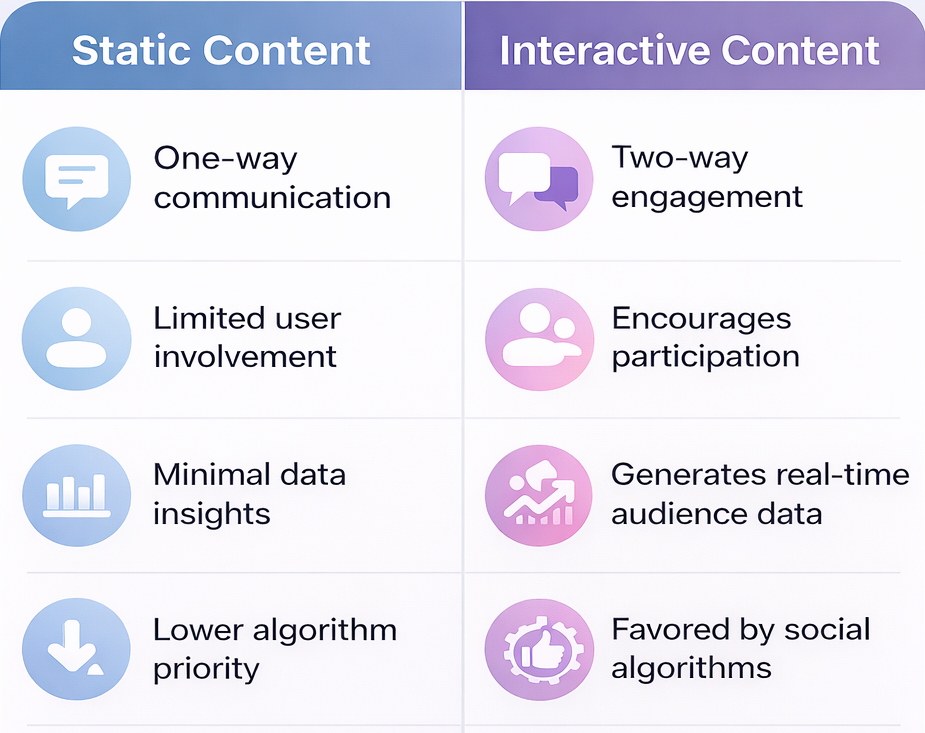
This shift has been paving the way for interactive social media content, which encourages participation, creates two-way communication, and provides valuable insights into user behavior. In 2026, brands that are adopting interactive formats are seeing significantly higher engagement, stronger customer relationships, and better conversion outcomes. In 2026, interactive social media content is not just increasing engagement; it is significantly boosting reach, saves, and conversion rates across platforms.

What Is Social Media Content in 2026?

Modern social media content can go far beyond simple visuals and captions, especially with the rise of AI-driven content creation.

Static vs Interactive Content

Examples of Interactive Social Media Content

In 2026, the most effective formats include:

  • Polls and quizzes on stories
  • Interactive sliders and reaction tools
  • Gamified social posts
  • AR filters and immersive effects
  • User-generated content campaigns
  • Interactive reels and shoppable videos
  • Stories with clickable CTAs such as “Swipe Up,” “Vote Now,” or “Shop Here.”
  • Short-form interactive video content like reels and TikTok-style formats

These formats transform audiences from passive viewers into active participants, which is exactly what social platforms reward today.

Why Interactive Social Media Content Is Winning in 2026

Interactive formats are not just trends; they provide measurable business results similar to well-planned social media campaigns.

  • Higher Engagement and Dwell Time: Interactive content can keep users involved and engaged for longer periods of time. If answering a poll or exploring an AR filter, users can spend more time interacting, which signals value to platform algorithms. 
  • Better Data Collection: Interactive formats provide valuable first-party data such as preferences, opinions, and behavioral patterns. This can help brands to refine their targeting and personalize future campaigns. 
  • Stronger Conversions and ROI: Engagement can naturally lead to higher conversion rates. Interactive content provides trust, encourages decision-making, and guides users through the customer journey more effectively. 
  • Algorithm Preference: Social media algorithms prioritize content that sparks engagement. Interactive posts can generate more likes, shares, comments, and clicks, which can increase organic reach. 
  • Increased Shareability and Virality: Participatory content is inherently more shareable. Users really love sharing quizzes, challenges, and interactive experiences with their networks, boosting brand visibility.  

More importantly, interactive formats transform social media from one-way broadcasting into two-way conversations, where users actively participate instead of passively consuming content.

Key Elements of a Strong Social Media Content Strategy

A successful social media content strategy in 2026 focuses on more than just posting regularly. It requires thoughtful planning and alignment with business goals. 

Key elements include:

  • Clear Business Objectives: Every piece of content should support a specific goal, be it brand awareness, lead generation, or customer retention. 
  • Platform-Specific Planning: Different platforms need different formats. Interactive reels may work well on Instagram, while polls and discussion threads perform better on LinkedIn. 
  • Consistent Brand Voice: Maintaining a recognizable brand tone and visual identity can build trust and also strengthen brand recall.
  • Balanced Content Mix: A strong strategy includes:
    • Educational content
    • Engagement-driven posts
    • Conversion-focused campaigns
  • Performance Tracking: Data analytics has a crucial role in tracking engagement rates, click-throughs, and audience behavior, which can help refine future content decisions. 

How to Build a Winning Social Media Content Plan

Creating a high-performing social media content plan needs a structured approach. Include a balanced mix of static posts, interactive content, and short-form video formats.

Step 1: Develop a Content Calendar

Plan posts in advance to maintain consistency while allowing flexibility for trending topics.

Step 2: Diversify Content Formats

Avoid relying on a single format. Include videos, polls, interactive stories, and user-generated content.

Step 3: Optimize Posting Frequency and Timing

Analyze audience activity patterns to determine the best times to publish content.

Step 4: Study Audience Behavior

Use analytics tools to understand what types of content your audience prefers and engages with most.

Step 5: Monitor Trends Continuously

Social media trends evolve rapidly. Staying updated ensures your strategy remains relevant.

Things to Consider When Creating Social Media Content

When developing modern social media content, brands should focus on quality, relevance, and engagement potential. Brands should also adapt content based on platform behavior, as audiences engage differently on Instagram, LinkedIn, TikTok, and Facebook.

  • Audience Intent: Understand why your audience follows your brand and customize content accordingly. 
  • Visual Storytelling: Compelling visuals, along with a strong narrative, can increase emotional connection. 
  • Clear Calls to Action: Encourage users to take a specific action, like participating in polls, exploring product links, etc. 
  • Consistency Without Fatigue: Maintain regular posting schedules without overwhelming your audience. 
  • Data-Driven Optimization: Continuously analyze performance metrics and adjust strategies accordingly. 
  • Promotion Budget Planning: Allocate resources for boosting high-performance content to maximize reach. 

Social Media Content Promotion: Posting Isn’t Enough

In 2026, organic reach alone cannot guarantee visibility. Effective social media content promotion is also essential. 

  • Limited Organic Reach

Algorithms prioritize paid and highly engaging content, making organic reach increasingly competitive. 

  • Boosting High-Performing Posts

Promoting posts that are already showing strong engagement can improve ROI and visibility. 

  • Paid and Organic Integration

Combining organic content strategies with paid promotions can make broader audience coverage. 

  • Retargeting Strategies

Using audience data for retargeting can help convert users who previously interacted with your content. 

How Moonbox Helps Brands Win on Social Media

What sets Moonbox apart is how it shapes smart social media strategies built for a world that moves quickly online. Instead of just sharing updates, they blend careful planning with fresh ideas to lift brands past routine uploads. Real connections form – not likes or shares – and those interactions quietly push results that matter most.

What stands out about Moonbox is how it builds strategies using real-time data. Instead of guessing, they rely on insights drawn from audience behavior and measurable results. These details shape content that fits exactly what a company needs right now. Often, that means boosting recognition, pulling in new leads, or strengthening existing customer ties.

What stands out about Moonbox is how it builds experiences around interaction first. Instead of focusing on static views, the team leans into formats where people join in – not just watch. Think puzzle-style campaigns that spark competition, or tales shaped by audience choices, for example. Even when creating shared moments online, the work leans toward depth over distance. Engagement becomes less about entry, more about staying involved.

Beyond that, Moonbox brings know-how tied to individual platforms – shaping content ways that fit how each social space works. Because it adapts, not copies, the method fits distinct habits in posting, scrolling, and sharing across apps. That fit tends to push results further in visibility, interaction, and outcome.

Right from the start – with planning and creative work – Moonbox handles every step needed to bring ideas to life. When it comes to putting things into action, sharing results, and then refining them, the company provides full coverage for social media content. Because of this depth, brands counting on solid performance turn to Moonbox as a reliable ally during today’s interactive content shift.

Adapt or Get Left Behind

The era of static-only posting has come to an end. In 2026, interactive experiences define successful social media content strategy and drive meaningful brand engagement. 

Brands that are invested in interactive formats can benefit from stronger relationships, valuable audience insights, and higher conversion rates. Those that fail to adapt risk losing visibility in an increasingly competitive digital landscape. 

The future of social media belongs to brands that create experiences — not just posts.

Ready to upgrade your social media content strategy? Talk to Moonbox about interactive social media content that converts.

FAQs

  • What is interactive social media content?

It is content that is designed to encourage active user participation rather than passive viewing. It can include formats like polls, quizzes, interactive stories, sliders, AR filters, gamified posts, and shoppable videos. This type of content can increase engagement, improve audience insight, and strengthen brand interaction. 

  • Why is interactive content important for social media in 2026?

Interactive content is crucial in 2026 because it can drive higher engagement, capture user attention for longer periods, and also provide valuable first-party data. Social media algorithms also prioritize content that generates interaction, making interactive posts more visible and effective than static ones. 

  • What are the examples of interactive social media content?

Common examples of interactive social media content include polls, quizzes, question stickers, interactive reels, AR filters, gamified contests, user-generated campaigns, and clickable stories. These can encourage users to participate and improve audience engagement. 

  • How can interactive content improve social media performance?

Social media performance can be increased by engagement rates, boosting dwell time, generating audience insights, and enhancing algorithm visibility. This can lead to stronger reach, better brand recall, and higher conversion potential. 

  • How can businesses create an effective social media content strategy?

Businesses can create effective social media content strategies by setting clearer goals, understanding audience behavior, using a mix of interactive and educational content, maintaining consistent branding, and regularly tracking performance metrics to optimize results. 


Categories
Blogs

Why Commercial Videography Is Essential for Modern Businesses

In the contemporary digital landscape, businesses face a growing challenge. And capturing attention, building trust, and communicating values have been the greatest challenges. Audiences usually scroll faster, attention spans are becoming shorter, and competition is louder than ever. Text-heavy content is static visuals that often struggle to cut through the noise. 

This is where commercial videography is becoming increasingly essential. Not as a creative add-on, but as a powerful business tool that can help brands to communicate clearly, connect emotionally, and convert consistently across modern marketing channels. 

What Is Commercial Videography?

Commercial videography is far beyond just visually appealing footage. It is a strategy-driven form of commercial video production that is designed to support business goals like brand awareness, lead generation, conversions, and long-term growth. 

It includes a wide range of applications, such as:

  • Brand and corporate videos
  • Product and service showcase videos
  • Campaign and advertising creatives
  • Social media and digital-first video content

At its core, commercial video production for brands is focused on outcomes, like how effectively a message is delivered, understood, and acted upon, rather than being aesthetic alone.


Why Commercial Videography Matters for Businesses

Builds Trust Faster Than Any Other Medium

Video humanizes a brand in ways text cannot. Seeing real people, processes, and stories creates credibility and emotional connection almost instantly. For modern consumers who value transparency and authenticity, professionally produced video signals trust, confidence, and legitimacy.

Commercial videography can actually help businesses to establish authority by showing and not just telling who they are and what they stand for. 

Improves Marketing Performance Across Channels

From website to paid ads, video consistently outperforms static content. Brands are using commercial videography for marketing benefits from: 

  • Higher engagement rates
  • Stronger brand recall
  • Improved conversion performance

Video communicates value faster, making it easier for audiences to understand offerings and take action.

Supports Modern, Multi-Platform Marketing

Today’s marketing is omnichannel by default. Video content is no longer optional for:

  • Website homepages and landing pages
  • Social platforms like Instagram, LinkedIn, and YouTube
  • Paid digital campaigns and retargeting

With the rise of short-form formats, social media video production has become one of the most effective ways to maintain visibility and relevance.

The Risk of Not Using Professional Video

Businesses that rely only on text or low-quality, DIY videos often face unintended consequences. Poor production quality can also weaken brand perception, reduce credibility, and create friction in the buying journey. 

In contrast to it, competitors investing in professional commercial video production can actually gain attention, communicate value clearly, and also build trust faster, which often wins customers before others are even considered. 

In a video-first digital environment, not investing in quality videography can mean falling behind.

How Businesses Use Commercial Videography Today

Commercial videography is now embedded across the customer journey, and common use cases include: 

  • Homepage videos that quickly explain brand value
  • Social media ads, reels, and short-form content
  • Brand storytelling and campaign-led videos
  • Product launches, explainers, and service walkthroughs

These videos work together to educate, engage, and guide audiences toward informed decisions.

What Makes Commercial Video Production Effective

Not all video content can provide results. Effective commercial video production begins with strategy, not a camera. 

Key elements include:

  • Clear business objectives aligned with marketing goals
  • Audience-focused storytelling that speaks to real needs
  • Professional production quality that reflects brand credibility
  • Platform-specific optimization for websites, ads, and social media

When these elements come together, video becomes a measurable asset and not just creative output.

Why Brands Choose Moonbox

At Moonbox, commercial videography is approached as a business solution and not as a standalone creative exercise. Every project will start by understanding brand objectives, audience context, and performance goals. 

Moonbox can deliver commercial video production for brands through an end-to-end approach, which includes:

  • Strategic concept development
  • Professional production and execution
  • Optimized delivery for marketing and social platforms

The focus will remain on creating videos that support campaigns, which can improve engagement and drive measurable outcomes, rather than the visuals that exist in isolation. 

Is Commercial Videography Right for Your Business?

Commercial videography is no longer reserved for large brands. It is essential if your business aims to:

  • Improve marketing ROI
  • Build credibility and trust faster.
  • Help customers understand your value quickly.
  • Strengthen digital and social media performance.

If these outcomes matter, investing in commercial videography is not optional; it’s strategic.

Turning Video into Measurable Growth

Modern businesses require communication tools that are actually fast, engaging, and effective. Commercial videography can meet these demands by combining storytelling, strategy, and performance into a single medium. 

When executed with clarity and intent, video can become the most effective and powerful driver of brand, growth, engagement, and conversion in today’s market. 

Create commercial videos that do more than look good. Partner with Moonbox to turn your brand story into a measurable business impact.


FAQs

  1. What is commercial videography, and how is it used in marketing?

    Commercial videography is the creation of strategy-led video content that is used to promote brands, products, and services across websites, social media, and digital campaigns. It can help businesses to communicate value clearly, increase engagement, and also support conversion.

  2. Can commercial video production help grow your business?

    Professional commercial video production can improve brand credibility, increase audience trust, and boost marketing performance. Businesses often see higher engagement, better lead quality, and stronger conversion rates when video is used consistently. 

  3. Is commercial videography effective for social media marketing?

    Yes, commercial videography for marketing is especially effective on social platforms, where short-form content and story-driven videos outperform static content. Social media video production can help brands to stay visible, relevant, and engaging across channels.

  4. What types of businesses require commercial video production?

    Any business that relies on digital marketing can benefit, including startups, SMEs, and established brands. Commercial video production for brands is particularly valuable for companies that are looking to explain complex offerings, launch products, or strengthen brand trust.

  5. Why should businesses choose professional commercial videography instead of DIY videos?

    Professional commercial videography combines strategy, storytelling, and production quality to ensure videos align with business goals. DIY videos can often lack clarity, consistency, and impact, which can weaken brand perception and marketing results. 


Categories
Blogs

The Art of Cosmetics Branding: How Beauty Brands Create Lasting Impressions

Today’s competitive beauty market is transforming, and a great product alone is no longer enough. With countless skincare, makeup, and wellness brands launching every year, standing out requires more than quality formulas; it demands strategic cosmetic branding that can connect emotionally, build trust, and create memorable experiences. 

From visual identity to storytelling and digital presence, branding can shape how customers perceive your beauty brand before they even try your product. For cosmetic businesses that are looking to grow, investing in professional branding is not just a creative luxury; it is a commercial necessity. 

The Importance of Branding in Cosmetic Marketing

The importance of branding in cosmetic marketing lies in its ability to influence perception, credibility, and long-term loyalty. Beauty consumers are highly visual, emotionally driven, and brand-conscious. They just don’t buy products; they buy into stories, values, and identities. 

Strong branding helps cosmetic brands:

  • Build instant recognition in crowded retail and online spaces
  • Communicate quality, safety, and authenticity.
  • Create emotional connections that drive repeat purchases.
  • Stand out in highly saturated categories.

In a marketing environment where trends are evolving rapidly, brands should provide consistency and reassurance, which can help them maintain relevance and trust over time. 

Creating a Distinct Beauty Brand Identity That Sells

A successful beauty brand is developed with a clear, compelling identity that reflects both its values and its audience’s aspirations. 

Cosmetic Logo Design: Making a Powerful First Impression

Your logo is the first interaction customers have with your brand. With an effective cosmetic logo design, you can communicate elegance, purity, innovation, or luxury in just a few seconds. 

High-performing cosmetic logos typically focus on:

  • Clean, refined typography
  • Thoughtful color palettes
  • Symbolism aligned with skincare or beauty values
  • Visual simplicity for digital and packaging use

With a well-designed logo, you can not only look attractive but also build credibility and reinforce brand recognition across every touchpoint. 

Premium Beauty Brand Design That Builds Trust

Premium beauty brand design can go beyond aesthetics. It can mirror product quality, ethical values, and attention to detail. Consumers associate refined visuals with superior ingredients, safety, and performance. 

From packaging textures to photography styles, premium designs can influence purchasing decisions by making products feel more aspirational and trustworthy. 

Cosmetic Branding Ideas That Help Brands Stand Out

Successful beauty brands will use creative, strategic, cosmetic branding ideas that differentiate themselves. This can include: 

  • Story-driven packaging that highlights ingredients and purpose
  • Emotional brand narratives focused on confidence, self-care, or sustainability.
  • Unique color systems that signal product benefits
  • Consistent visual themes across digital and physical platforms

When branding aligns with customer values, it can transform products into experiences, and experiences into loyalty. 

Branding Tips for Beauty Brands Focused on Growth

For beauty brands that are looking to scale sustainably, consistency and clarity are the strategic necessities. These branding tips for beauty brands can help maintain strong market positioning while supporting long-term growth: 

For beauty brands aiming to scale sustainably, consistency and clarity are not optional—they are strategic necessities. These branding tips for beauty brands help maintain strong market positioning while supporting long-term growth:

  • Keep visual identity consistent across all platforms: Your color, color palette, typography, and imagery should always look and feel the same on packages, social media, websites, and retail displays. Consistency can build recognition and trust, which will help customers instantly identify your brand in crowded beauty markets.
     
  • Align packaging, messaging, and digital presence: Your package design, brand voice, and online content should always communicate the same story. When visuals, tone, and messaging work together, your brand will feel more authentic and professional, which can strengthen customers’ confidence and purchase intent. 
  • Plan for product line extensions from the start: A scalable brand system can allow you to introduce new skincare, makeup, or wellness products without redesigning everything. Strategic branding can make sure future launches feel more cohesive and aligned with your core identity.
  • Build brand guidelines for long-term scalability: With clearer brand guidelines, you can protect your identity as your business grows. They can make sure consistency across teams, partners, and markets by maintaining quality and recognition even as your brand expands.

Strategic branding supports sustainable growth by keeping your beauty brand recognizable, credible, and adaptable in a fast-moving, highly competitive industry.

How to Brand a Skincare Product for Competitive Advantage

Firstly, understand how to brand a skincare product by starting with transparency, trust, and differentiation. Modern skincare consumers care deeply about: 

  • Ingredient clarity
  • Ethical sourcing
  • Clinical results
  • Brand authenticity

Skincare branding should always communicate the benefits, values, and product purpose clearly through design, tone of voice, and storytelling. Clear visuals, honest messaging, and educational content can help in establishing authority and consumer confidence. 

Modern Cosmetics Branding Techniques Driving Results

Today’s beauty brands are holding together the modern cosmetics branding techniques that can reflect evolving consumer values, lifestyle preferences, and purchasing behavior. These approaches can go beyond aesthetics as they can shape perception, trust, and long-term brand loyalty. 

  • Minimalist Design for Premium Positioning

With minimalist branding, the focus is on clean layouts, refined typography, and simple color palettes. This approach communicates quality, purity, and sophistication, especially important for skincare and cosmetic products to position themselves as premium or dermatologist-approved. By removing visual clutter, brands can highlight product benefits more clearly, making packaging and digital experiences feel elegant, trustworthy, and easy to understand. 

  • Sustainable Packaging for Eco-Conscious Buyers

Sustainability has now become a key purchase driver in the beauty industry. Brands are now using recyclable materials, reliable containers, and eco-friendly inks to sync in with environmentally responsible values. Beyond packaging, communicating sustainability through branding can also help build emotional connections with consumers who can prioritize ethical and planet-friendly choices. 

  • Personalized Branding Experiences

With modern consumers, the expectations of brands to feel personal is important. Personalized product recommendations, customized packaging, and customized digital experiences can allow beauty brands to create stronger emotional engagement. This technique can help brands to stand out while making customers feel understood, valued, and more likely to remain loyal. 

  • Inclusive Visuals and Messaging

Inclusive branding mirrors real people, diverse skin tones, and different beauty standards. Brands that showcase authenticity through inclusive imagery and messaging can build stronger trust with broader audiences. This approach can not only improve brand reliability but it can also align with modern cultural expectations around representation and transparency. 

Role of Digital Marketing in Cosmetics Branding

The role of digital marketing in cosmetics branding has become a central part of brand growth. Social media, influencer collaborations, and content strategy shape how beauty brands connect with audiences. 

Effective digital branding includes:

  • Visually consistent social media presence
  • Story-driven campaigns
  • Influencer partnerships aligned with brand values.
  • Educational content for skincare awareness

A strong digital identity reinforces brand trust and keeps customers engaged beyond the product.

How Strategic Cosmetics Branding Delivers Measurable Business Results

When done right, cosmetics branding can extend beyond visual appeal. It can directly influence how customers perceive your products, how often they return, and how much they are willing to pay. In a competitive beauty market, strong branding can become a powerful commercial asset. 

Stronger Brand Recall

A consistent visual identity, memorable packaging, and clear brand messaging can help beauty brands stay top-of-mind. When customers instantly recognize your logo, colors, and tone, your product stands out in a crowded marketplace and on digital platforms. 

Higher Conversion Rates

With a well-crafted branding, you can build trust before a customer even tries the product. Clear positioning, premium design, and compelling storytelling can reduce hesitation, making it much easier for shoppers to move from browsing to buying. 

Increased Customer Loyalty

Brands that can communicate purpose, values, and personality can create emotional connections. This can lead to repeated purchases, stronger customer relationships, and organic word-of-mouth growth. 

Premium Pricing Potential

Professional cosmetics branding can allow products to be positioned as high-quality or luxury. When the brand experience feels refined and credible, customers will be more willing to pay higher prices. 

Long-Term Brand Equity

Stronger branding creates lasting value, which is beyond individual product launches. It can support future expansions, new product lines, and market growth by building a recognizable and trusted brand foundation. 

When branding aligns with business goals, it can become more than a design exercise; it can become a strategic growth engine that drives visibility, sales, and long-term success in the beauty industry. 

Choosing the Right Branding Partner for Your Beauty Brand

In the beauty industry, branding can define success. From cosmetic logo design to storytelling, packaging, and digital presence, every element can shape how customers experience your brand. Strategic branding can build trust, differentiation, and lasting market impact.

For beauty brands that are ready to elevate their identity, partnering with an experienced agency will make all the difference. With a deeper understanding of brand strategy, visual storytelling, and marketing positioning. Moonbox can help cosmetic businesses create meaningful, premium brand experiences that resonate with modern consumers and drive long-term growth.


FAQs 

  • Why is cosmetics branding important for beauty businesses?

Cosmetic branding can help beauty brands build trust, stand out in competitive markets, and influence purchase decisions. Strong branding improves recognition, credibility, and long-term customer loyalty. 

  • What makes cosmetic branding look premium?

Premium beauty brands can focus on high-quality logo design, refined packaging, consistent visuals, clear messaging, and a strong digital presence that can reflect elegance and reliability. 

  • How does branding affect cosmetic product sales?

Effective branding increases conversion rates by building confidence, communicating product value, and creating emotional connections that encourage repeat purchases.

  • What are the best cosmetic branding ideas for new brands?

Successful ideas include storytelling-led packaging, minimalist design, sustainable materials, strong social media visuals, and consistent brand personality across all platforms.

  • How can Moonbox help with cosmetics branding in Dubai?

Moonbox provides strategic branding solutions for beauty brands, including logo design, visual identity, packaging, and digital branding to support growth and market positioning.

Categories
Blogs

7 Powerful Branding Types That Shape Successful Businesses

Branding is how people perceive your business, how they remember and trust it. It’s not just about how the logo looks, the color scheme, or taglines. It reflects how customers perceive you, even before they use your product or service. This perception often decides if they will pick you or a competitor. 

In this contemporary market, branding is an important part of any business strategy. It can curate customers’ confidence, impact pricing, foster loyalty, and drive long-term growth. Strong branding can actually help create familiarity and trust, while weak and inconsistent branding can cause confusion and missed opportunities. 

Many businesses have a notion that branding is a one-size-fits-all approach. But different business models, growth strategies, and goals will require different branding types. Understanding these branding types and choosing the right one is the key decision that can actually influence brand development, scalability, and marketing. 

In this blog, we will explore seven effective branding types that successful businesses should use to stand out, build trust, and grow intentionally.

Product Branding – Driving Product Recognition & Sales

Product branding is forced more on creating a distinct identity for a specific product rather than the company as a whole. It is especially important and powerful in competitive markets where customers compare multiple options before making a decision. 

Strong product branding helps customers:

  • Instantly recognize a product
  • Understand its unique value
  • Develop trust and preference over time

Think about how certain products have become household names even when the consumer doesn’t immediately recall the parent company. That’s how product branding works, with clear messaging, consistent visual identity, and strong emotional association. 

For businesses with multiple offerings, product branding can allow each product to speak directly to its customers without diluting the overall brand. It also supports premium pricing when customers associate the product with quality, reliability, or innovation. 

When executed with strategic ideation, product branding does not just sell products; it can build long-term product equity. 

Service Branding – Building Trust for Service-Based Businesses

Unlike products, services are intangible. Customers can not test them before purchase, which is affecting the service branding, important for credibility and reassurance. 

Service branding focuses on shaping perception through:

  • Consistent customer experience
  • Clear messaging and tone
  • Professional visual identity
  • Trust signals such as testimonials, case studies, and expertise

For service-based businesses, branding your business correctly reduces perceived risk. It answers the customers’ unspoken questions: “Can I trust you to deliver?” 

Professional service firms, agencies, consultants, and B2B providers rely heavily on service brands to communicate competence and reliability. The stronger the service brand, the less resistance customers feel during decision-making, and the easier it becomes to command long-term relationships rather than one-off engagements. 

Corporate Branding – Strengthening Brand Authority & Reputation

Corporate branding represents the organization as a whole. It can define what the company stands for, how it behaves, and how it communicates with its customers, employees, partners, and stakeholders. 

This type of branding plays a critical role in:

  • Building long-term reputation
  • Attracting talent and investors
  • Supporting expansion and diversification
  • Establishing leadership and credibility in the market

Corporate branding can go beyond marketing; it influences company culture, employer branding, and public perception. When done correctly, it can make sure there is consistency across products, services, communications, and customer experiences. 

As businesses scale, corporate branding becomes more of a foundation for sustainability branding development, which can create clarity internally and confidence externally. 

Personal Branding – Turning Individuals into Powerful Brands

Personal branding can transform individuals like founders, CEOs, consultants, and creators into trusted, influential brands in their own right. 

In an era where people follow people before companies, personal branding builds:

  • Authority and visibility
  • Credibility and trust
  • Strong emotional connection with audiences

Entrepreneurs and leaders who invest in personal branding can often accelerate business growth because the audience already trusts the person behind the brand. Thought leadership, consistent messaging, and authentic presence make personal branding powerful drivers of influence. 

A recognizable example is how business leaders become synonymous with their industries, not because of advertising, but because of clarity, consistencym and value-driven communication. 

Personal branding is not self-promotion. It is more like a strategic positioning that syncs with expertise and audience requirements. 

Online Branding – Winning Customers in the Digital Space

Online branding transforms how your brand is experienced across digital platforms, your website, social platforms, search presence, and content ecosystem. 

Today, most brand interactions are done online. That means perception is formed within seconds, often before a conversion ever happens. 

Effective online branding ensures:

  • Visual and messaging consistency
  • Clear brand voice across channels
  • Strong alignment between brand promise and user experience

It can include everything from website design and SEO to social media tone and content quality. When online branding is inconsistent or outdated, trust erodes quickly, regardless of how strong the business may be offline. 

Winning brands treat online brands as a continuous effort, not as a one-time project, ensuring every digital interaction reinforces brand credibility. 

Geographical Branding – Using Location as a Competitive Advantage

Geographical branding uses location, culture, or regional identity as a core part of branding positioning. 

This branding type builds trust through:

  • Local relevance
  • Cultural familiarity
  • Authenticity and connection

Examples can include brands associated with craftsmanship, heritage, innovation hubs, or regional expertise. For businesses operating in specific markets, geographical branding can create immediate recognition and credibility. 

It can also help brands to differentiate themselves in global markets or saturated markets by giving emphasis on origin, value, and local insights, which can turn geography into a strategic asset rather than a limitation. 

Co-Branding – Expanding Reach Through Strategic Partnerships

Co-branding is a collaborative branding strategy where two or more brands can come together to create a shared value. 

When done strategically, co-branding allows businesses to:

  • Access new audiences
  • Enhance credibility through association
  • Share resources and brand equity

Successful co-branding can work as both brands sync in the values, audience expectations, and quality standards. Poor alignment can, however, dilute the trust and confuse customers.

Well-known collaborations can be successful as they might feel natural and mutually reinforced. Co-branding is mostly effective when it is built on shared purpose rather than short-term visibility. 

How to Choose the Right Branding Type for Your Business

Choosing the right branding type can depend on your business model, growth stage, and long-term objectives. Not every business might require every branding approach. But every business should have clarity on what it is trying to achieve. 

You can start by considering whether your business is focused on product, services, or both, and whether your growth plans are local, regional, or global. It is important to decide if your brands are built around an individual, a single company, or a broader portfolio of offerings. 

When branding is aligned with clarity in goal, brands can develop and become a growth driver rather than a cosmetic exercise. This is also where structured evaluations, such as identifying brand gaps, inconsistencies, or untapped opportunities, add real value, which is why many businesses begin with a formal brand audit to guide smarter, more strategic branding decisions.  Many businesses can uncover these insights with a formal brand audit, which can help guide smarter, more strategic branding decisions. 

Why Strategic Branding Shapes Successful Businesses

Successful brands are not built by chance. They are shaped and transformed intentionally, where strategy guides creativity and every branding decisions serve a clear purpose. 

Each branding type can play different roles, 

  • Product branding drives choice. 
  • Service branding builds trust 
  • Corporate branding establishes authority 
  • Personal branding creates influence 
  • Online branding shapes perception 
  • Geographical branding builds authenticity 
  • Co-branding accelerates reach

When businesses apply the right mix of branding strategies, they can move beyond visibility towards loyalty, differentiation, and long-term brand equity. Branding is not just about how you look; it is about how you grow. 

Why Moonbox Leads the Branding Industry

At Moonbox, branding is approached strategically, and not as a design exercise. The focus is on aligning brand identity, positioning, and experience with where the business is headed next.

Moonbox works with brands at different levels of growth—whether they are launching, scaling, or repositioning, through strategic rebranding services that align identity, positioning, and experience with long-term business goals. From structured rebranding initiatives to in-depth brand audits that uncover growth opportunities, the approach is always rooted in long-term brand development

The goal isn’t to make brands look good; it’s to make them work better.

FAQs

  • What type of branding should a growing business or startup choose?

Product branding or service branding is the most effective starting point. These branding types can be helpful to have clarity in communicating values, differentiating offerings, and building early trust in competitive markets. A corporate brand can be an option when a business scales, which can unify its identity, strengthen credibility, and support long-term brand development. The right choice depends on stage, audience maturity, and business goals. 

  • Do businesses need more than one type of branding to succeed?

Yes, most businesses usually use multiple types of branding. For example, a company may combine corporate branding for reputation, product branding for individual offerings, and online branding for digital visibility. Using more than one branding approach can make sure consistency across all touchpoints while allowing flexibility to address different audiences, channels, and growth objectives. 

  • How can branding impact customer trust and buying decisions?

Branding can directly influence how customers perceive trust, quality, and credibility. With strong branding, businesses can create familiarity, reduce perceived risk, and also help customers to make confident purchasing decisions. Consistent visual identity, messaging, and brand values signal professionalism and reliability, making customers more likely to choose your business over competitors. 

  • When should a company consider rebranding its business?

When its current brand is no longer reflecting its vision, audience, or market position. Common triggers usually include business expansion, entering new markets, declining engagement, outdated visuals, mergers, or a shift in strategy. 

  • Is branding more important for products, services, or the overall company?

Branding is important at all levels, but its focus depends on the business model. Product-driven businesses benefit from strong product branding, service-based companies rely mostly on service branding to build trust, while long-term growth is dependent on corporate branding to establish authority and reputation.

Categories
Blogs

Want More Customers? Learn What E-commerce Conversion Rate Is and How to Increase It

You are generating traffic, your ad campaigns are live, and your social media engagements look healthy, yet sales are not growing at the pace they should. This is one of the most common challenges e-commerce brands face today, and it rarely stems from a lack of traffic. More often, these issues lie in the e-commerce conversion rate.  At Moonbox. We see it repeatedly, as brands chase more visitors while the real growth levers sit untouched: conversion. 

Through this blog, we will be discussing what e-commerce conversion rate means, why it is more important than traffic, and how high-performing brands improve online store conversions using proven CRO and UX strategies, without guesswork or gimmicks. 

What Is E-commerce Conversion Rate?

E-commerce conversion rate is the percentage of website visitors who complete a desired action on your online store. In simple terms, it measures how well your website turns visitors into customers.

Basic formula: If 1000 people visit your store and 20 make a purchase, your e-commerce conversion rate is 2%.  

While purchases are the primary goal, conversion actions can also include:

  • Add to cart
  • Sign up for email or SMS.
  • Start checkout
  • Create an account

For most e-commerce businesses, purchase conversion rate is the metric that directly impacts revenue. 

Why E-commerce Conversion Rate Matters for Online Stores

Your online store conversion rate reveals far more about the business performance than traffic numbers ever can. It will show how effectively your website turns interest into revenue. 

  • Revenue growth without higher ad spend: Improving your e-commerce conversion rate will increase sales from the same number of visitors. Instead of spending more on ads or acquisition, you can unlock growth from traffic you already own by making every visit more valuable.
  • Better ROI from existing traffic: Conversion rate optimization can help you extract maximum value from paid ads, SEO, email, and social campaigns. When your store converts better, every marketing channel will become more profitable without increasing spend.  
  • Stronger signal of UX and trust: A healthy conversion rate shows that the users find your store intuitive, credible, and easy to buy from. Poor conversion rates often signal UX friction, unclear messaging, or a missing trust element, and not a lack of demand.
  • A scalable, compounding growth lever: Traffic acquisition is getting more expensive over time. Conversion optimization compounds, like small improvements across product pages, cart, and checkout, can create outsized revenue gains as traffic scales.

Moonbox insight

We have helped e-commerce brands double their revenue without increasing traffic, but by simply removing their friction across product pages, add-to-cart flows, and checkout experiences. Sustainable e-commerce growth does not come from more visitors; it comes from converting the ones you already have.
 

What Is a Good E-commerce Conversion Rate?

One of the most frequently asked questions we encounter is, “What is a good e-commerce conversion rate?” 

The short answer: It depends.

  1. General E-commerce Benchmarks

    • 1% – 2% → Average / under-optimized
    • 2% – 3% → Healthy, competitive
    • 3% – 5%+ → High-performing ecommerce stores
  2. Factors That Affect Conversion Rate Benchmarks

  • Industry: Fashion, electronics, luxury, and FMCG all behave differently.
  • Device: Desktop conversion rates are usually higher than mobile, but mobile dominates traffic.
  • Traffic quality: Paid traffic, organic search, and repeat users convert very differently.
  • UX maturity: Stores with CRO-led UX consistently outperform template-based sites.

Common Reasons Why E-commerce Conversion Rates Drop

Many brands assume low conversions are caused by poor traffic quality, but in reality, most conversion issues stem from user experience (UX) breakdowns. When users struggle to navigate, understand, or trust a store, even high-intent traffic fails to convert.

  • Poor navigation structure: When categories, menus, and filters are unclear, users struggle to find what they’re looking for. This frustration increases bounce rates and shortens browsing sessions.
  • Slow load speeds: Slow-loading pages instantly erode trust and patience, especially on mobile devices. Even a few seconds of delay can significantly increase abandonment.
  • Weak product information: Vague descriptions, missing specifications, or a lack of visuals create uncertainty. When shoppers can’t clearly understand the product, they hesitate to purchase.
  • Complicated checkout flows, such as those with too many steps, forced account creation, or unclear costs, create friction at the most critical moment. Complex checkout processes are one of the primary reasons for cart abandonment.
  • Lack of trust signals: Missing reviews, security badges, return policies, or clear contact information make users cautious. Without reassurance, shoppers are unlikely to commit their payment details.

When user experience for e-commerce breaks down, conversion rate follows.

Proven E-commerce CRO Tips to Improve E-commerce Conversion Rate

To improve your e-commerce conversion rate, it is not about random tweaks or guesswork. It is about systematically removing friction at every decision point, from the first scroll to final checkout. 

Below are some core CRO principles Moonbox applies across high-performing e-commerce stores to consistently improve conversion outcomes. 

Optimize User Experience for E-commerce

Users’ experience is the foundation for conversion. If your store feels confusing, slow, or effort-heavy, users won’t stay long enough to buy. 

High-converting User Experience for E-commerce focuses on:

  • Mobile-first design: Most e-commerce traffic comes from mobile. Layout should be thumb-friendly, readable, and optimized for one-handed navigation. 
  • Fast load times: Speed will build trust. A slow-loading store feels unreliable and can increase bounce rate, especially on product and checkout pages. 
  • Simple, intuitive navigation: Clear categories, smart filters, and effective search can reduce cognitive load and help users find production much faster.
  • Good UX does not draw attention to itself; it can quietly remove friction and move users forward. 

Product Page Optimization That Converts

  • Product Page Optimization: Product pages are where buying decisions are made or abandoned. High-performing product pages prioritize clarity, confidence, and reassurance, which includes. 
  • Benefit-driven descriptions: Explains how the product solves a problem or improves life, not just its specifications. 
  • High-quality visuals: Multiple angles, zoom, lifestyle imagery, and short videos can help users visualize ownership and reduce hesitation. 
  • Reviews and social proof: Real customers’ feedback can build instant credibility and lower perceived risk at the moment of decision.

     Product page optimization isn’t about adding more content; it’s about removing doubt.

Add-to-Cart Optimization Strategies

Add-to-cart optimization: The moment between interest and action is fragile. Even small distractions here can break momentum.

  • Effective add-to-cart optimization includes: Clear, dominant CTAs
    Buttons should be visually prominent, action-oriented, and unmistakable.
  • Reduced distractions: Avoid secondary links, pop-ups, or competing CTAs near the add-to-cart action.
  • Urgency and reassurance cues: Stock indicators, delivery timelines, easy returns, and guarantees reinforce confidence without pressure.

Every hesitation at this stage costs revenue. Strong add-to-cart optimization turns intent into action.

How to Increase Online Store Conversions (Strategic Approach)

Understanding what to optimize is one thing. And knowing how to approach conversion strategically is another. At Moonbox, improving online store conversion rate is a system, and not just a checklist. 

What Actually Works

  • Funnel analysis: To identify exactly where users drop off, like the homepage, product page, cart, or checkout.
  • Behavior tracking: Heatmaps, session recordings, and scroll data reveal real user behavior.
  • Continuous A/B testing: Decisions are based on evidence, not opinions.
  • Checkout optimization: Reduce steps, remove friction, and clarify costs early.

Why Moonbox Is the Trusted Partner for E-commerce CRO

Conversion optimization isn’t about hacks. It’s about understanding human behavior at scale.

Moonbox is trusted by e-commerce brands because we offer:

  • E-commerce-first CRO expertise
  • UX, design, strategy, and CRO under one roof
  • Proven frameworks, not assumptions
  • Long-term conversion systems

Our goal isn’t to make your store look better. It’s to make it perform better.

Traffic Doesn’t Grow Revenue; Conversions Do

Traffic without conversions is just noise.

Your e-commerce conversion rate is the most important and honest measure of how well your store performs, how much users trust you, and how efficiently your marketing spend turns into revenue. 

If you’re serious about growth:

  • Stop chasing traffic alone.
  • Start optimizing how users experience, trust, and buy from your store.

Moonbox can help e-commerce brands turn browsers into buyers by using CRO, UX, and performance-driven strategy.
Book a CRO consultation or ecommerce audit with Moonbox and unlock the growth already hidden in your traffic.


FAQs

  1. What is a good e-commerce conversion rate?
    Most stores average between 1–3%, while optimized ecommerce brands reach 3–5% or higher, depending on industry and UX maturity.
  2. Why is my online store conversion rate low despite high traffic?
    Low conversion rates are usually caused by UX friction, unclear product information, slow speed, or lack of trust, not traffic quality.
  3. How can I improve the e-commerce conversion rate quickly?
    Focus on product page optimization, add-to-cart clarity, faster load times, and checkout simplification before increasing traffic.
  4. Is CRO better than increasing ad spend?
    Yes. CRO improves ROI by increasing revenue from existing traffic, while ads increase cost without fixing conversion issues.
  5. How does Moonbox help improve e-commerce conversion rates?
    Moonbox combines UX design, CRO strategy, behavioral analytics, and continuous testing to build long-term conversion systems, not quick fixes.


Categories
Blogs

Web Design for Conversion that Transforms Visitors into Loyal Customers

In today’s competitive digital world, web design is a strategic engine for business growth. The layout, speed, responsiveness, and overall digital experience of a website can determine whether a visitor becomes a customer or disappears forever. Modern customers usually expect easy usability, fast-loading web pages, intuitive navigation, and clear value from the moment they land on a site. And businesses that invest in conversion-driven design consistently outperform competitors in sales, engagement, and long-term loyalty. 

At Moonbox, we are experts in building digital experiences that actually convert. Our approach to web design is to sync creativity, data, user psychology, and performance engineering to create an online experience that can really turn first-time visitors into loyal customers. From high-converting website layouts to responsive, mobile-ready digital ecosystems, every design decision is carefully curated to influence behavior and boost conversions. 

Through this blog, we will be discussing the key elements of conversion-based website design, including user-centric strategies, optimization practices, and loyalty-boosting frameworks that successful brands can actually rely on today. 

Understanding User-Centric Web Design

User-centric design is a philosophy that can place the visitors’ requirements, motivations, and behavior at the heart of every design choice. It is to make sure every interaction feels intuitive and friction-free, which can reduce effort and increase satisfaction. 

A user-centric website answers key questions instantly:

  • What does this brand offer?
  • Why should I trust them?
  • How do I take action?
  • What’s in it for me?

When users can find exactly what they need, and that too quickly and clearly, they will stay longer, explore more, and convert at higher rates. User-focused design can use clear navigation, consistent messaging, clean UI, and intuitive layouts to establish trust and reduce cognitive load. And the result will be stronger engagement, reduced bounce rates, and greater brand affinity. 

In short, web design can become a strategic tool that will support customer journey, guide decisions, and build loyalty through clarity and ease of use. 

Key Elements of High-Converting Website Layouts

A high-converting website layout will follow proven design principles that inform decisions and guide users towards meaningful actions. These elements help simplify the digital path, build trust, and highlight business value. 

  • Clear Visual Hierarchy

Your layout should guide the eye intentionally. With the right typography, color, spacing, and contrast, your CTA, value proposition, or product highlights should help users direct them to what matters the most. 

  • Strong Hero Sections

The first fold of your homepage should determine if the user should stay or leave. A powerful hero section will include: 

  • A clear headline
  • A compelling subheadline
  • A relevant visual
  • A primary CTA

This sets the tone and communicates value instantly.

  • Minimalist, Distraction-Free Layout

Clutter usually kills conversions. Simplicity is what boosts clarity, and a minimalist layout will make sure users focus on the message and the designed action, and not unnecessary design noise. 

  • Trust-Building Signals

Visitors want proof before they engage. Trust signals include:

  • Testimonials
  • Case studies
  • Certifications
  • Industry awards
  • Security badges
  • Client logos

These reduce hesitation and increase credibility.

  • Consistent Branding

Color scheme, typography, imagery style, and tone should remain consistent on all pages. Strong branding can build emotional connection and memory recall. 

Successful brands will use these layout principles to increase conversions significantly, with a clean, structured, and intuitive design that can directly influence how visitors perceive your brand and whether they choose to act. 

The Role of Fast Loading Web Pages

Speed is one of the most important elements of modern web design; this can directly affect how users perceive and interact with a brand. In this digital environment where attention spans are shorter than ever, even a one-second delay can drastically increase bounce rates and reduce conversion. Users today, especially the mobile users, expect instant access. If a website takes too long to load, it will abandon the experience immediately, and often without giving the brand a second chance. 

  • Why Website Speed Matters More Than Ever

Fast-loading web pages can do more than just improve convenience; they can actually shape the overall experience of a business online. A fast website can enhance the conversion rate by keeping the users engaged for a longer period of time, which is enough to explore content, complete a purchase, or submit inquiries. It can also reduce bounce rate by providing an easy browsing experience from the first click. 

Speed can contribute to user satisfaction, as visitors associate smooth performance with credibility and professionalism. In addition to that, search engines like Google can prioritize fast websites, which means speed can directly contribute to stronger SEO rankings and increased organic visibility. Collectively, these benefits can really strengthen the overall brand perception and build long-term trust. 

  • How Fast Loading Pages Improve Conversions and User Trust

To achieve fast page speed, you will require several strategies and optimization techniques, and smart development choices. Practical speed-boosting methods like compressing images and using next-generation formats like WebP, implementing Content Delivery Networks (CDNs) to reduce the latency, and minimizing heavy scripts that slow down rendering. Backend optimization, like upgrading hosting infrastructure, can also play an important role in maintaining consistent performance. Techniques like lazy loading media, browser caching, and minifying CSS and JavaScript can ensure that only essential components load first, and make the website feel more significantly faster. 

  • Essential Techniques to Improve Website Loading Speed

Ultimately, a fast website is more than just a mere technical achievement; it is the key driver in making better experiences and also positioning itself as reliable, modern, and customer-focused in every interaction. 

Conversion-Based Website Design Techniques

Aesthetics is not only what weighs in when considering conversion-based design. It is a combination of things like behavioral psychology, funnel strategy, and data-backed usability to drive action. 

CTA Engineering

A high-performing CTA is:

  • Visible
  • Action-oriented
  • Benefit-driven
  • Placed strategically

Examples:
“Start Your Free Trial,” “Book a Consultation,” “Get Pricing,” “Explore Our Services.”

Psychology-Driven Triggers

Humans rely on emotional cues when making decisions. These cues include:

  • Scarcity (“Limited spots available”)
  • Social proof (“Over 10,000 users trust us”)
  • Authority (expert endorsements)
  • Reciprocity (free tools, insights, or downloads)

Funnel-Based Design: All the pages should move the users through a structured journey. From awareness to decision-making, this can ensure there is clarity and a reduction in drop-offs. 

Personalization: Users usually convert more when the experience feels more relevant to them. Personalized recommendations, dynamic CTAs, or location-based messaging all boost engagement. 

These advanced strategies help transform ordinary pages into revenue-driven experiences.

Web Design Optimization for Better Performance

Web design is not a one-time project; it is an ongoing process of testing, measuring, and enhancing. Web design optimization can make sure your website stays competitive, relevant, and high-performing. 

Effective optimization includes:

  • A/B testing headlines, CTAs, and layouts
  • Using heatmaps to understand user behavior
  • SEO improvements for better search visibility
  • Accessibility enhancements for inclusivity
  • On-page content optimization
  • Improving mobile navigation and usability

Popular optimization tools include Hotjar, Google Analytics, VWO, and Optimizely.

Continuous optimization ensures your website evolves with your users—improving conversions and long-term performance.

Responsive Design for Better Conversions

With more than half of global traffic coming from mobile devices, responsive design for better conversions is essential. Responsive web design will make sure your website adjusts effortlessly across different screen sizes, resolutions, and devices. 

  • Responsive design ensures your website adapts seamlessly to all screen sizes and devices.
  • Adaptive grids create fluid layouts that scale smoothly across resolutions.
  • Scalable images and typography maintain readability and visual consistency.
  • Thumb-friendly CTAs improve mobile usability and boost conversions.
  • Optimized mobile navigation helps users find information quickly with minimal friction.
  • Mobile-first layouts prioritize speed, clarity, and engagement for smartphone users.
  • Faster mobile load times reduce bounce rates and strengthen user trust.
  • Responsive websites increase trust, engagement, accessibility, and overall conversions.
  • Mobile-ready experiences enhance user satisfaction and long-term retention.


Foster Long-Term Loyalty

Loyalty Loops: One of the powerful ways to develop long-term loyalty is by creating a loyalty loop. This will include personalized dashboards, reward systems, exclusive content, and intuitive account profiles. All these features will encourage users to return and interact with your brand more effectively and frequently. 

Smooth Onboarding Experience: After the user converts, an easy onboarding process is essential. Welcome email, helpful tips, brand introductions, and step-by-step guidance will all make sure the user feels supported and clearly understands the value your business provides. 

Consistent Ongoing Value: To keep the users engaged over time, consistently offer value through blog content, resource libraries, newsletters, or product updates. This ongoing relevance will strengthen their connection to your brand and maintain long-term interest. 

Support & Re-Engagement Tools: Easy access to the support system and re-engagement tools is really important for maintaining trust. Features like live chat, simple return/contact options, re-engagement emails, and push notifications can help users stay active and connected. 

Building Digital Experiences That Convert and Retain

Conversion-driven web design is the main difference between a website that really looks nice and one that can generate real business results. When user-centric design, speed, responsiveness, optimization, and trust signals come together, they will create an ecosystem where customers feel understood and motivated to take action. 

At Moonbox, we are experts in building conversion-based website design systems that can transform brands, attract the right audience, and turn visitors into loyal customers. Our focus on web design optimization, mobile responsiveness, performance engineering, and brand storytelling can make sure that there is a digital experience that can drive measurable growth. 

If you are ready to create a high-converting website layout that can mirror your brand and fuel customer loyalty, Moonbox is your partner in digital transformation. 

FAQs

  • What can make a website convert better?
  • Clear messaging
  • Strong CTA
  • Intuitive navigation
  • Fast loading speed
  • Trust signals
  • Personalized experience 
  • Are fast-loading web pages important?

Slow pages have increased bounce rates, while fast pages can improve user satisfaction, SEO, and conversion performance. 

  • Can responsive design improve conversion?

Responsive layout can make sure the user has a consistent and easy experience on all devices, which can actually improve trust and action rates. 

  • What is conversion-based website design?

It is a design approach that uses psychology, user data, and funnel strategy to encourage visitors to take meaningful actions. 

  • What are some steps that businesses can take to measure the web design performance?

Businesses can do A/B testing, analytics tracking, heatmaps, user feedback, conversion metrics, and ongoing optimization tools to understand the web design performance.

Categories
Blogs

High-Impact Video Marketing Strategies for the Dubai Market

In today’s evolving digital-first economy, video marketing strategies are becoming the cornerstone of effective brand communication. Across all industries, from luxury retail to real estate and technology, video has been increasing engagement, awareness, and sales at an unprecedented level. 

Dubai, which has been recognized as the epicenter of digital innovation in the GCC, is at the forefront of this transformation. With one of the highest internet penetration rates and social media adoption rates, videos have become the preferred medium for storytelling, education, and connection. 

Platforms like Instagram Reels, YouTube Shorts, and TikTok are now dominating the audience’s attention span, with brands competing not just for views but for emotional engagement. Whether through cinematic storytelling, influencer collaborations, or short-form creative bursts, Dubai’s brands are now using video to humanize their voice and build consumer trust. 

Social media marketing is now playing a pivotal role in amplifying these efforts. In fact, effective video marketing strategies in Dubai can complement data-driven, platform-specific social media campaigns, ensuring your message resonates across all digital channels. 

The Role & Effectiveness of Video Content Across Platforms

The numbers speak for themselves:

  • According to Eighty Six Media, video posts are now generating up to 1200% more shares than text or image content combined. 
  • A recent LPS ME report has highlighted that 87% of businesses in the UAE are already using video as a key marketing tool. 
  • Short-form content (under 30 seconds) can now drive higher engagement rates, particularly among Gen Z and millennial expats, who are making up a significant portion of Dubai’s digital audience. 

From a brand perspective, these metrics can underscore a key insight that video marketing in Dubai is becoming an essential strategy.

Platform-specific Performance Overview:

  • TikTok & Instagram Reels: These are perfect for storytelling with trend-based hooks, humor, and visual appeal. Brands that are targeting younger audiences in Dubai’s lifestyle, fashion, and F&B sectors are thriving there.
  • YouTube & YouTube Shorts: These are ideal for detailed storytelling, product education, and brand-building narratives. Long-form videos, tutorials, and vlogs perform much higher among professionals and tech-savvy consumers.
  • Meta (Facebook & Instagram): The go-to for retargeting campaigns and cross-platform visibility. Businesses can use these for video remarketing and professionalized ad funnels.
  • LinkedIn: A highly growing platform for corporate storytelling, B2B brand films, and leadership narratives, which are now helping brands to position themselves as thought leaders in the Dubai market. 

Together, all these platforms can enable brands to design versatile video marketing strategies by balancing creativity, cultural nuances, and measurable impact. 

High-Impact Video Marketing Strategies for Dubai

The Dubai market is really unique. It is multicultural, tech-savvy, and deeply aesthetic-driven. Brands that understand these nuances and customize their video strategies accordingly are the ones that can stand out in this marketplace. 

Let us discuss some of the most effective video marketing strategies that are designed for Dubai’s vibrant digital landscape. 

  • Localized Storytelling with Cultural Relevance

As we already mentioned, Dubai has a very diverse audience, including Arabic speakers, South Asians, Europeans, and a large expatriate community. To resonate, videos should blend a universal appeal with localized emotions. 

  • Use Arabic-English hybrid scripts.
  • Incorporate cultural motifs, celebrations, and regional symbols.
  • Craft narratives that align with shared experiences—luxury, ambition, innovation.
  • Luxury Aesthetics & Visual Premiumization

Dubai’s market thrives on visual excellence. With high production quality, cinematic visuals, and polished editing immediately elevates brand perception. 

This is where agencies like Moonbox help in leveling up the game by delivering commercial-grade video content that reflects Dubai’s luxury-driven standards. 

Know more about the importance of high-quality brand storytelling in Commercial Video Production in Branding.

  • Short-Form Video Dominance

The attention span of the audience is increasingly shrinking, and short-form video campaigns (10-30 seconds) are redefining marketing efficiency. 

With attention spans shrinking, short-form video campaigns (10–30 seconds) are redefining marketing efficiency. Snackable content optimized for mobile platforms ensures consistent engagement across Reels, TikTok, and Shorts.

  • Funnel-Based Campaign Approach

Successful brands follow a structured video marketing funnel:

  • Awareness: Captivating visuals, storytelling hooks, and emotional narratives.
  • Consideration: Product demos, influencer partnerships, and explainer videos.
  • Conversion: Testimonials, special offers, or brand impact videos.
  • Event & Seasonal Storytelling

Dubai’s event calendar, like Ramadan, Dubai Shopping Festival, Expo-inspired activation, and New Year celebration, can offer endless opportunities for themed video campaigns. You can align your content with these moments to enhance brand awareness and relevance. 

  • UGC and Influencer-Driven Campaigns

Authenticity can sell. User-generated content (UGC) and influencer collaborations can give a human touch to brand storytelling. You can partner with a Dubai-based influencer to allow for real-time audience connection and credibility. 

Social Media Integration: The Moonbox Edge

Video marketing can achieve maximum impact when integrated with a smart social media strategy. And that is where Moonbox stands apart.

Moonbox is a creative powerhouse specializing in social media video marketing in Dubai. Our approach goes beyond shooting and editing; we build full-funnel video strategies that sync with your business goals. 

A successful video strategy in Dubai is not about great visuals; it is all about integration, targeting, and amplification. Moonbox merges storytelling with strategy to create video campaigns that don’t just go viral but convert. 

Best Practices for Effective Video Marketing in Dubai

To stand out in a city as competitive and visually sophisticated as Dubai, your video content should integrate creativity with strategy. Here are some video marketing best practices for Dubai-based businesses: 

  • Design Mobile-First Videos

Most Dubai users consume video content through mobile. Vertical formats, optimized subtitles, and fast loading time can make sure there is better engagement and accessibility. 

  • Add Arabic Subtitles or Bilingual Narration

Inclusivity is the key component when it comes to video content. If your target audience is Emiratri or expatriate, bilingual videos can mirror cultural sensitivity and inclusiveness. 

  • Embrace Authentic, Emotion-Driven Storytelling

Dubai audiences tend to respond to emotionally authentic content, whether it is family, ambition, or innovation. Avoid over-commercialized tones and focus on relatable narratives. 

  • Utilize Trending Dubai Hashtags & Visual Aesthetics

Keep note of trending hashtags, especially during major Dubai events. Visuals should reflect the city’s architecture, skylines, and lifestyle cues, modern yet inspirational. 

  • Optimize Hooks & CTAs

The first 5 seconds of your video should make-or-break. Use curiosity-driven hooks and strong CTAs that encourage actions, whether it is visiting your website or engaging with your brand on social media/ 

  • Consistent Story Arcs

Create continuity in your brand’s visual language. By using recurring themes, colors, and tone for better recall. 

The Moonbox Advantage

As one of the leading creative and video marketing agencies in Dubai, Moonbox can redefine what high-impact content can look like for contemporary audiences. Our team of strategists, designers, and editors specializes in creating visually engaging, emotionally resonant, and data-driven videos. 

Why Dubai Brands Choose Moonbox:

  • Localized Creative Strategy: Deep understanding of Dubai’s multilingual, multicultural consumer landscape.
  • Cinematic Visuals: Expertise in high-end video production that matches Dubai’s luxury tone.
  • Integrated Marketing Vision: Every video is tied to a measurable business objective, awareness, engagement, or conversion.
  • Performance-Driven Approach: Insights-backed optimization ensures videos deliver ROI across platforms.

Moonbox is not here just to create videos; we provide an impactful brand experience that stays in retrospect and drives measurable business results. We curate high-performance video content that is built for engagement, recall, and conversion, which can help brands dominate Dubai’s ever-evolving digital landscape.  

For more insights, explore the Moonbox blog, your go-to resource for video marketing inspiration and best practices.

FAQs

  • Is video marketing important for businesses in Dubai? 

Video marketing is an essential part of the digital marketing ecosystem in Dubai as it helps brands to connect with their audience. It is the most effective way to communicate brand stories, showcase products, and influence purchase decisions in the UAE market. 

  • What are some types of videos that work the best for the Dubai audience?

Dubai audience responds to localized, visually-rich, and emotionally driven videos. These can include Reels, influencer collaborations, luxury brand films, and bilingual storytelling content. 

  • Can Moonbox help a brand with video marketing in Dubai?

Moonbox is an expert in creative video production and social media marketing customized to the Dubai market. From concept development to scriptwriting to production and performance analytics, we provide full-fledged strategies that can engage the audience and drive ROI. 

  • What are the key elements of a successful video marketing strategy in Dubai?

A successful video marketing strategy in Dubai combines:

  • Localized storytelling (Arabic-English hybrid content)
  • Mobile-first, short-form formats
  • High production quality and visual appeal
  • Integration with social media and retargeting campaigns
  • Data-backed optimization for performance tracking
  • How can Dubai brands measure the success of their video marketing campaigns?

The success in video marketing is about engagement, conversions, and brand impact. Dubai brands can measure it with key metrics like watch time, click-through rates (CTR), social shares, audience retention, ROI analytics, etc. 


icon