Categories
Blogs

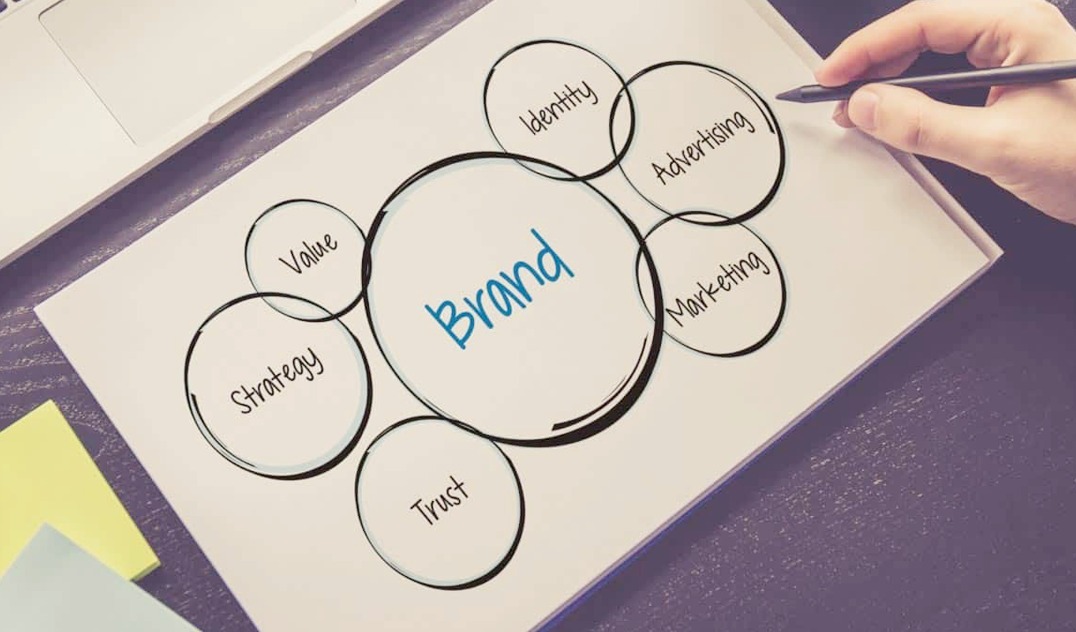
7 Powerful Branding Types That Shape Successful Businesses

Branding is how people perceive your business, how they remember and trust it. It’s not just about how the logo looks, the color scheme, or taglines. It reflects how customers perceive you, even before they use your product or service. This perception often decides if they will pick you or a competitor. 

In this contemporary market, branding is an important part of any business strategy. It can curate customers’ confidence, impact pricing, foster loyalty, and drive long-term growth. Strong branding can actually help create familiarity and trust, while weak and inconsistent branding can cause confusion and missed opportunities. 

Many businesses have a notion that branding is a one-size-fits-all approach. But different business models, growth strategies, and goals will require different branding types. Understanding these branding types and choosing the right one is the key decision that can actually influence brand development, scalability, and marketing. 

In this blog, we will explore seven effective branding types that successful businesses should use to stand out, build trust, and grow intentionally.

Product Branding – Driving Product Recognition & Sales

Product branding is forced more on creating a distinct identity for a specific product rather than the company as a whole. It is especially important and powerful in competitive markets where customers compare multiple options before making a decision. 

Strong product branding helps customers:

  • Instantly recognize a product
  • Understand its unique value
  • Develop trust and preference over time

Think about how certain products have become household names even when the consumer doesn’t immediately recall the parent company. That’s how product branding works, with clear messaging, consistent visual identity, and strong emotional association. 

For businesses with multiple offerings, product branding can allow each product to speak directly to its customers without diluting the overall brand. It also supports premium pricing when customers associate the product with quality, reliability, or innovation. 

When executed with strategic ideation, product branding does not just sell products; it can build long-term product equity. 

Service Branding – Building Trust for Service-Based Businesses

Unlike products, services are intangible. Customers can not test them before purchase, which is affecting the service branding, important for credibility and reassurance. 

Service branding focuses on shaping perception through:

  • Consistent customer experience
  • Clear messaging and tone
  • Professional visual identity
  • Trust signals such as testimonials, case studies, and expertise

For service-based businesses, branding your business correctly reduces perceived risk. It answers the customers’ unspoken questions: “Can I trust you to deliver?” 

Professional service firms, agencies, consultants, and B2B providers rely heavily on service brands to communicate competence and reliability. The stronger the service brand, the less resistance customers feel during decision-making, and the easier it becomes to command long-term relationships rather than one-off engagements. 

Corporate Branding – Strengthening Brand Authority & Reputation

Corporate branding represents the organization as a whole. It can define what the company stands for, how it behaves, and how it communicates with its customers, employees, partners, and stakeholders. 

This type of branding plays a critical role in:

  • Building long-term reputation
  • Attracting talent and investors
  • Supporting expansion and diversification
  • Establishing leadership and credibility in the market

Corporate branding can go beyond marketing; it influences company culture, employer branding, and public perception. When done correctly, it can make sure there is consistency across products, services, communications, and customer experiences. 

As businesses scale, corporate branding becomes more of a foundation for sustainability branding development, which can create clarity internally and confidence externally. 

Personal Branding – Turning Individuals into Powerful Brands

Personal branding can transform individuals like founders, CEOs, consultants, and creators into trusted, influential brands in their own right. 

In an era where people follow people before companies, personal branding builds:

  • Authority and visibility
  • Credibility and trust
  • Strong emotional connection with audiences

Entrepreneurs and leaders who invest in personal branding can often accelerate business growth because the audience already trusts the person behind the brand. Thought leadership, consistent messaging, and authentic presence make personal branding powerful drivers of influence. 

A recognizable example is how business leaders become synonymous with their industries, not because of advertising, but because of clarity, consistencym and value-driven communication. 

Personal branding is not self-promotion. It is more like a strategic positioning that syncs with expertise and audience requirements. 

Online Branding – Winning Customers in the Digital Space

Online branding transforms how your brand is experienced across digital platforms, your website, social platforms, search presence, and content ecosystem. 

Today, most brand interactions are done online. That means perception is formed within seconds, often before a conversion ever happens. 

Effective online branding ensures:

  • Visual and messaging consistency
  • Clear brand voice across channels
  • Strong alignment between brand promise and user experience

It can include everything from website design and SEO to social media tone and content quality. When online branding is inconsistent or outdated, trust erodes quickly, regardless of how strong the business may be offline. 

Winning brands treat online brands as a continuous effort, not as a one-time project, ensuring every digital interaction reinforces brand credibility. 

Geographical Branding – Using Location as a Competitive Advantage

Geographical branding uses location, culture, or regional identity as a core part of branding positioning. 

This branding type builds trust through:

  • Local relevance
  • Cultural familiarity
  • Authenticity and connection

Examples can include brands associated with craftsmanship, heritage, innovation hubs, or regional expertise. For businesses operating in specific markets, geographical branding can create immediate recognition and credibility. 

It can also help brands to differentiate themselves in global markets or saturated markets by giving emphasis on origin, value, and local insights, which can turn geography into a strategic asset rather than a limitation. 

Co-Branding – Expanding Reach Through Strategic Partnerships

Co-branding is a collaborative branding strategy where two or more brands can come together to create a shared value. 

When done strategically, co-branding allows businesses to:

  • Access new audiences
  • Enhance credibility through association
  • Share resources and brand equity

Successful co-branding can work as both brands sync in the values, audience expectations, and quality standards. Poor alignment can, however, dilute the trust and confuse customers.

Well-known collaborations can be successful as they might feel natural and mutually reinforced. Co-branding is mostly effective when it is built on shared purpose rather than short-term visibility. 

How to Choose the Right Branding Type for Your Business

Choosing the right branding type can depend on your business model, growth stage, and long-term objectives. Not every business might require every branding approach. But every business should have clarity on what it is trying to achieve. 

You can start by considering whether your business is focused on product, services, or both, and whether your growth plans are local, regional, or global. It is important to decide if your brands are built around an individual, a single company, or a broader portfolio of offerings. 

When branding is aligned with clarity in goal, brands can develop and become a growth driver rather than a cosmetic exercise. This is also where structured evaluations, such as identifying brand gaps, inconsistencies, or untapped opportunities, add real value, which is why many businesses begin with a formal brand audit to guide smarter, more strategic branding decisions.  Many businesses can uncover these insights with a formal brand audit, which can help guide smarter, more strategic branding decisions. 

Why Strategic Branding Shapes Successful Businesses

Successful brands are not built by chance. They are shaped and transformed intentionally, where strategy guides creativity and every branding decisions serve a clear purpose. 

Each branding type can play different roles, 

  • Product branding drives choice. 
  • Service branding builds trust 
  • Corporate branding establishes authority 
  • Personal branding creates influence 
  • Online branding shapes perception 
  • Geographical branding builds authenticity 
  • Co-branding accelerates reach

When businesses apply the right mix of branding strategies, they can move beyond visibility towards loyalty, differentiation, and long-term brand equity. Branding is not just about how you look; it is about how you grow. 

Why Moonbox Leads the Branding Industry

At Moonbox, branding is approached strategically, and not as a design exercise. The focus is on aligning brand identity, positioning, and experience with where the business is headed next.

Moonbox works with brands at different levels of growth—whether they are launching, scaling, or repositioning, through strategic rebranding services that align identity, positioning, and experience with long-term business goals. From structured rebranding initiatives to in-depth brand audits that uncover growth opportunities, the approach is always rooted in long-term brand development

The goal isn’t to make brands look good; it’s to make them work better.

FAQs

  • What type of branding should a growing business or startup choose?

Product branding or service branding is the most effective starting point. These branding types can be helpful to have clarity in communicating values, differentiating offerings, and building early trust in competitive markets. A corporate brand can be an option when a business scales, which can unify its identity, strengthen credibility, and support long-term brand development. The right choice depends on stage, audience maturity, and business goals. 

  • Do businesses need more than one type of branding to succeed?

Yes, most businesses usually use multiple types of branding. For example, a company may combine corporate branding for reputation, product branding for individual offerings, and online branding for digital visibility. Using more than one branding approach can make sure consistency across all touchpoints while allowing flexibility to address different audiences, channels, and growth objectives. 

  • How can branding impact customer trust and buying decisions?

Branding can directly influence how customers perceive trust, quality, and credibility. With strong branding, businesses can create familiarity, reduce perceived risk, and also help customers to make confident purchasing decisions. Consistent visual identity, messaging, and brand values signal professionalism and reliability, making customers more likely to choose your business over competitors. 

  • When should a company consider rebranding its business?

When its current brand is no longer reflecting its vision, audience, or market position. Common triggers usually include business expansion, entering new markets, declining engagement, outdated visuals, mergers, or a shift in strategy. 

  • Is branding more important for products, services, or the overall company?

Branding is important at all levels, but its focus depends on the business model. Product-driven businesses benefit from strong product branding, service-based companies rely mostly on service branding to build trust, while long-term growth is dependent on corporate branding to establish authority and reputation.
Categories
Blogs

Want More Customers? Learn What E-commerce Conversion Rate Is and How to Increase It

You are generating traffic, your ad campaigns are live, and your social media engagements look healthy, yet sales are not growing at the pace they should. This is one of the most common challenges e-commerce brands face today, and it rarely stems from a lack of traffic. More often, these issues lie in the e-commerce conversion rate.  At Moonbox. We see it repeatedly, as brands chase more visitors while the real growth levers sit untouched: conversion. 

Through this blog, we will be discussing what e-commerce conversion rate means, why it is more important than traffic, and how high-performing brands improve online store conversions using proven CRO and UX strategies, without guesswork or gimmicks. 

What Is E-commerce Conversion Rate?

E-commerce conversion rate is the percentage of website visitors who complete a desired action on your online store. In simple terms, it measures how well your website turns visitors into customers.

Basic formula: If 1000 people visit your store and 20 make a purchase, your e-commerce conversion rate is 2%.  

While purchases are the primary goal, conversion actions can also include:

  • Add to cart
  • Sign up for email or SMS.
  • Start checkout
  • Create an account

For most e-commerce businesses, purchase conversion rate is the metric that directly impacts revenue. 

Why E-commerce Conversion Rate Matters for Online Stores

Your online store conversion rate reveals far more about the business performance than traffic numbers ever can. It will show how effectively your website turns interest into revenue. 

  • Revenue growth without higher ad spend: Improving your e-commerce conversion rate will increase sales from the same number of visitors. Instead of spending more on ads or acquisition, you can unlock growth from traffic you already own by making every visit more valuable.
  • Better ROI from existing traffic: Conversion rate optimization can help you extract maximum value from paid ads, SEO, email, and social campaigns. When your store converts better, every marketing channel will become more profitable without increasing spend.  
  • Stronger signal of UX and trust: A healthy conversion rate shows that the users find your store intuitive, credible, and easy to buy from. Poor conversion rates often signal UX friction, unclear messaging, or a missing trust element, and not a lack of demand.
  • A scalable, compounding growth lever: Traffic acquisition is getting more expensive over time. Conversion optimization compounds, like small improvements across product pages, cart, and checkout, can create outsized revenue gains as traffic scales.

Moonbox insight

We have helped e-commerce brands double their revenue without increasing traffic, but by simply removing their friction across product pages, add-to-cart flows, and checkout experiences. Sustainable e-commerce growth does not come from more visitors; it comes from converting the ones you already have.
 

What Is a Good E-commerce Conversion Rate?

One of the most frequently asked questions we encounter is, “What is a good e-commerce conversion rate?” 

The short answer: It depends.

  1. General E-commerce Benchmarks

    • 1% – 2% → Average / under-optimized
    • 2% – 3% → Healthy, competitive
    • 3% – 5%+ → High-performing ecommerce stores
  2. Factors That Affect Conversion Rate Benchmarks

  • Industry: Fashion, electronics, luxury, and FMCG all behave differently.
  • Device: Desktop conversion rates are usually higher than mobile, but mobile dominates traffic.
  • Traffic quality: Paid traffic, organic search, and repeat users convert very differently.
  • UX maturity: Stores with CRO-led UX consistently outperform template-based sites.

Common Reasons Why E-commerce Conversion Rates Drop

Many brands assume low conversions are caused by poor traffic quality, but in reality, most conversion issues stem from user experience (UX) breakdowns. When users struggle to navigate, understand, or trust a store, even high-intent traffic fails to convert.

  • Poor navigation structure: When categories, menus, and filters are unclear, users struggle to find what they’re looking for. This frustration increases bounce rates and shortens browsing sessions.
  • Slow load speeds: Slow-loading pages instantly erode trust and patience, especially on mobile devices. Even a few seconds of delay can significantly increase abandonment.
  • Weak product information: Vague descriptions, missing specifications, or a lack of visuals create uncertainty. When shoppers can’t clearly understand the product, they hesitate to purchase.
  • Complicated checkout flows, such as those with too many steps, forced account creation, or unclear costs, create friction at the most critical moment. Complex checkout processes are one of the primary reasons for cart abandonment.
  • Lack of trust signals: Missing reviews, security badges, return policies, or clear contact information make users cautious. Without reassurance, shoppers are unlikely to commit their payment details.

When user experience for e-commerce breaks down, conversion rate follows.

Proven E-commerce CRO Tips to Improve E-commerce Conversion Rate

To improve your e-commerce conversion rate, it is not about random tweaks or guesswork. It is about systematically removing friction at every decision point, from the first scroll to final checkout. 

Below are some core CRO principles Moonbox applies across high-performing e-commerce stores to consistently improve conversion outcomes. 

Optimize User Experience for E-commerce

Users’ experience is the foundation for conversion. If your store feels confusing, slow, or effort-heavy, users won’t stay long enough to buy. 

High-converting User Experience for E-commerce focuses on:

  • Mobile-first design: Most e-commerce traffic comes from mobile. Layout should be thumb-friendly, readable, and optimized for one-handed navigation. 
  • Fast load times: Speed will build trust. A slow-loading store feels unreliable and can increase bounce rate, especially on product and checkout pages. 
  • Simple, intuitive navigation: Clear categories, smart filters, and effective search can reduce cognitive load and help users find production much faster.
  • Good UX does not draw attention to itself; it can quietly remove friction and move users forward. 

Product Page Optimization That Converts

  • Product Page Optimization: Product pages are where buying decisions are made or abandoned. High-performing product pages prioritize clarity, confidence, and reassurance, which includes. 
  • Benefit-driven descriptions: Explains how the product solves a problem or improves life, not just its specifications. 
  • High-quality visuals: Multiple angles, zoom, lifestyle imagery, and short videos can help users visualize ownership and reduce hesitation. 
  • Reviews and social proof: Real customers’ feedback can build instant credibility and lower perceived risk at the moment of decision.

     Product page optimization isn’t about adding more content; it’s about removing doubt.

Add-to-Cart Optimization Strategies

Add-to-cart optimization: The moment between interest and action is fragile. Even small distractions here can break momentum.

  • Effective add-to-cart optimization includes: Clear, dominant CTAs
    Buttons should be visually prominent, action-oriented, and unmistakable.
  • Reduced distractions: Avoid secondary links, pop-ups, or competing CTAs near the add-to-cart action.
  • Urgency and reassurance cues: Stock indicators, delivery timelines, easy returns, and guarantees reinforce confidence without pressure.

Every hesitation at this stage costs revenue. Strong add-to-cart optimization turns intent into action.

How to Increase Online Store Conversions (Strategic Approach)

Understanding what to optimize is one thing. And knowing how to approach conversion strategically is another. At Moonbox, improving online store conversion rate is a system, and not just a checklist. 

What Actually Works

  • Funnel analysis: To identify exactly where users drop off, like the homepage, product page, cart, or checkout.
  • Behavior tracking: Heatmaps, session recordings, and scroll data reveal real user behavior.
  • Continuous A/B testing: Decisions are based on evidence, not opinions.
  • Checkout optimization: Reduce steps, remove friction, and clarify costs early.

Why Moonbox Is the Trusted Partner for E-commerce CRO

Conversion optimization isn’t about hacks. It’s about understanding human behavior at scale.

Moonbox is trusted by e-commerce brands because we offer:

  • E-commerce-first CRO expertise
  • UX, design, strategy, and CRO under one roof
  • Proven frameworks, not assumptions
  • Long-term conversion systems

Our goal isn’t to make your store look better. It’s to make it perform better.

Traffic Doesn’t Grow Revenue; Conversions Do

Traffic without conversions is just noise.

Your e-commerce conversion rate is the most important and honest measure of how well your store performs, how much users trust you, and how efficiently your marketing spend turns into revenue. 

If you’re serious about growth:

  • Stop chasing traffic alone.
  • Start optimizing how users experience, trust, and buy from your store.

Moonbox can help e-commerce brands turn browsers into buyers by using CRO, UX, and performance-driven strategy.
Book a CRO consultation or ecommerce audit with Moonbox and unlock the growth already hidden in your traffic.


FAQs

  1. What is a good e-commerce conversion rate?
    Most stores average between 1–3%, while optimized ecommerce brands reach 3–5% or higher, depending on industry and UX maturity.
  2. Why is my online store conversion rate low despite high traffic?
    Low conversion rates are usually caused by UX friction, unclear product information, slow speed, or lack of trust, not traffic quality.
  3. How can I improve the e-commerce conversion rate quickly?
    Focus on product page optimization, add-to-cart clarity, faster load times, and checkout simplification before increasing traffic.
  4. Is CRO better than increasing ad spend?
    Yes. CRO improves ROI by increasing revenue from existing traffic, while ads increase cost without fixing conversion issues.
  5. How does Moonbox help improve e-commerce conversion rates?
    Moonbox combines UX design, CRO strategy, behavioral analytics, and continuous testing to build long-term conversion systems, not quick fixes.


Categories
Blogs

Web Design for Conversion that Transforms Visitors into Loyal Customers

In today’s competitive digital world, web design is a strategic engine for business growth. The layout, speed, responsiveness, and overall digital experience of a website can determine whether a visitor becomes a customer or disappears forever. Modern customers usually expect easy usability, fast-loading web pages, intuitive navigation, and clear value from the moment they land on a site. And businesses that invest in conversion-driven design consistently outperform competitors in sales, engagement, and long-term loyalty. 

At Moonbox, we are experts in building digital experiences that actually convert. Our approach to web design is to sync creativity, data, user psychology, and performance engineering to create an online experience that can really turn first-time visitors into loyal customers. From high-converting website layouts to responsive, mobile-ready digital ecosystems, every design decision is carefully curated to influence behavior and boost conversions. 

Through this blog, we will be discussing the key elements of conversion-based website design, including user-centric strategies, optimization practices, and loyalty-boosting frameworks that successful brands can actually rely on today. 

Understanding User-Centric Web Design

User-centric design is a philosophy that can place the visitors’ requirements, motivations, and behavior at the heart of every design choice. It is to make sure every interaction feels intuitive and friction-free, which can reduce effort and increase satisfaction. 

A user-centric website answers key questions instantly:

  • What does this brand offer?
  • Why should I trust them?
  • How do I take action?
  • What’s in it for me?

When users can find exactly what they need, and that too quickly and clearly, they will stay longer, explore more, and convert at higher rates. User-focused design can use clear navigation, consistent messaging, clean UI, and intuitive layouts to establish trust and reduce cognitive load. And the result will be stronger engagement, reduced bounce rates, and greater brand affinity. 

In short, web design can become a strategic tool that will support customer journey, guide decisions, and build loyalty through clarity and ease of use. 

Key Elements of High-Converting Website Layouts

A high-converting website layout will follow proven design principles that inform decisions and guide users towards meaningful actions. These elements help simplify the digital path, build trust, and highlight business value. 

  • Clear Visual Hierarchy

Your layout should guide the eye intentionally. With the right typography, color, spacing, and contrast, your CTA, value proposition, or product highlights should help users direct them to what matters the most. 

  • Strong Hero Sections

The first fold of your homepage should determine if the user should stay or leave. A powerful hero section will include: 

  • A clear headline
  • A compelling subheadline
  • A relevant visual
  • A primary CTA

This sets the tone and communicates value instantly.

  • Minimalist, Distraction-Free Layout

Clutter usually kills conversions. Simplicity is what boosts clarity, and a minimalist layout will make sure users focus on the message and the designed action, and not unnecessary design noise. 

  • Trust-Building Signals

Visitors want proof before they engage. Trust signals include:

  • Testimonials
  • Case studies
  • Certifications
  • Industry awards
  • Security badges
  • Client logos

These reduce hesitation and increase credibility.

  • Consistent Branding

Color scheme, typography, imagery style, and tone should remain consistent on all pages. Strong branding can build emotional connection and memory recall. 

Successful brands will use these layout principles to increase conversions significantly, with a clean, structured, and intuitive design that can directly influence how visitors perceive your brand and whether they choose to act. 

The Role of Fast Loading Web Pages

Speed is one of the most important elements of modern web design; this can directly affect how users perceive and interact with a brand. In this digital environment where attention spans are shorter than ever, even a one-second delay can drastically increase bounce rates and reduce conversion. Users today, especially the mobile users, expect instant access. If a website takes too long to load, it will abandon the experience immediately, and often without giving the brand a second chance. 

  • Why Website Speed Matters More Than Ever

Fast-loading web pages can do more than just improve convenience; they can actually shape the overall experience of a business online. A fast website can enhance the conversion rate by keeping the users engaged for a longer period of time, which is enough to explore content, complete a purchase, or submit inquiries. It can also reduce bounce rate by providing an easy browsing experience from the first click. 

Speed can contribute to user satisfaction, as visitors associate smooth performance with credibility and professionalism. In addition to that, search engines like Google can prioritize fast websites, which means speed can directly contribute to stronger SEO rankings and increased organic visibility. Collectively, these benefits can really strengthen the overall brand perception and build long-term trust. 

  • How Fast Loading Pages Improve Conversions and User Trust

To achieve fast page speed, you will require several strategies and optimization techniques, and smart development choices. Practical speed-boosting methods like compressing images and using next-generation formats like WebP, implementing Content Delivery Networks (CDNs) to reduce the latency, and minimizing heavy scripts that slow down rendering. Backend optimization, like upgrading hosting infrastructure, can also play an important role in maintaining consistent performance. Techniques like lazy loading media, browser caching, and minifying CSS and JavaScript can ensure that only essential components load first, and make the website feel more significantly faster. 

  • Essential Techniques to Improve Website Loading Speed

Ultimately, a fast website is more than just a mere technical achievement; it is the key driver in making better experiences and also positioning itself as reliable, modern, and customer-focused in every interaction. 

Conversion-Based Website Design Techniques

Aesthetics is not only what weighs in when considering conversion-based design. It is a combination of things like behavioral psychology, funnel strategy, and data-backed usability to drive action. 

CTA Engineering

A high-performing CTA is:

  • Visible
  • Action-oriented
  • Benefit-driven
  • Placed strategically

Examples:
“Start Your Free Trial,” “Book a Consultation,” “Get Pricing,” “Explore Our Services.”

Psychology-Driven Triggers

Humans rely on emotional cues when making decisions. These cues include:

  • Scarcity (“Limited spots available”)
  • Social proof (“Over 10,000 users trust us”)
  • Authority (expert endorsements)
  • Reciprocity (free tools, insights, or downloads)

Funnel-Based Design: All the pages should move the users through a structured journey. From awareness to decision-making, this can ensure there is clarity and a reduction in drop-offs. 

Personalization: Users usually convert more when the experience feels more relevant to them. Personalized recommendations, dynamic CTAs, or location-based messaging all boost engagement. 

These advanced strategies help transform ordinary pages into revenue-driven experiences.

Web Design Optimization for Better Performance

Web design is not a one-time project; it is an ongoing process of testing, measuring, and enhancing. Web design optimization can make sure your website stays competitive, relevant, and high-performing. 

Effective optimization includes:

  • A/B testing headlines, CTAs, and layouts
  • Using heatmaps to understand user behavior
  • SEO improvements for better search visibility
  • Accessibility enhancements for inclusivity
  • On-page content optimization
  • Improving mobile navigation and usability

Popular optimization tools include Hotjar, Google Analytics, VWO, and Optimizely.

Continuous optimization ensures your website evolves with your users—improving conversions and long-term performance.

Responsive Design for Better Conversions

With more than half of global traffic coming from mobile devices, responsive design for better conversions is essential. Responsive web design will make sure your website adjusts effortlessly across different screen sizes, resolutions, and devices. 

  • Responsive design ensures your website adapts seamlessly to all screen sizes and devices.
  • Adaptive grids create fluid layouts that scale smoothly across resolutions.
  • Scalable images and typography maintain readability and visual consistency.
  • Thumb-friendly CTAs improve mobile usability and boost conversions.
  • Optimized mobile navigation helps users find information quickly with minimal friction.
  • Mobile-first layouts prioritize speed, clarity, and engagement for smartphone users.
  • Faster mobile load times reduce bounce rates and strengthen user trust.
  • Responsive websites increase trust, engagement, accessibility, and overall conversions.
  • Mobile-ready experiences enhance user satisfaction and long-term retention.


Foster Long-Term Loyalty

Loyalty Loops: One of the powerful ways to develop long-term loyalty is by creating a loyalty loop. This will include personalized dashboards, reward systems, exclusive content, and intuitive account profiles. All these features will encourage users to return and interact with your brand more effectively and frequently. 

Smooth Onboarding Experience: After the user converts, an easy onboarding process is essential. Welcome email, helpful tips, brand introductions, and step-by-step guidance will all make sure the user feels supported and clearly understands the value your business provides. 

Consistent Ongoing Value: To keep the users engaged over time, consistently offer value through blog content, resource libraries, newsletters, or product updates. This ongoing relevance will strengthen their connection to your brand and maintain long-term interest. 

Support & Re-Engagement Tools: Easy access to the support system and re-engagement tools is really important for maintaining trust. Features like live chat, simple return/contact options, re-engagement emails, and push notifications can help users stay active and connected. 

Building Digital Experiences That Convert and Retain

Conversion-driven web design is the main difference between a website that really looks nice and one that can generate real business results. When user-centric design, speed, responsiveness, optimization, and trust signals come together, they will create an ecosystem where customers feel understood and motivated to take action. 

At Moonbox, we are experts in building conversion-based website design systems that can transform brands, attract the right audience, and turn visitors into loyal customers. Our focus on web design optimization, mobile responsiveness, performance engineering, and brand storytelling can make sure that there is a digital experience that can drive measurable growth. 

If you are ready to create a high-converting website layout that can mirror your brand and fuel customer loyalty, Moonbox is your partner in digital transformation. 

FAQs

  • What can make a website convert better?
  • Clear messaging
  • Strong CTA
  • Intuitive navigation
  • Fast loading speed
  • Trust signals
  • Personalized experience 
  • Are fast-loading web pages important?

Slow pages have increased bounce rates, while fast pages can improve user satisfaction, SEO, and conversion performance. 

  • Can responsive design improve conversion?

Responsive layout can make sure the user has a consistent and easy experience on all devices, which can actually improve trust and action rates. 

  • What is conversion-based website design?

It is a design approach that uses psychology, user data, and funnel strategy to encourage visitors to take meaningful actions. 

  • What are some steps that businesses can take to measure the web design performance?

Businesses can do A/B testing, analytics tracking, heatmaps, user feedback, conversion metrics, and ongoing optimization tools to understand the web design performance.

icon