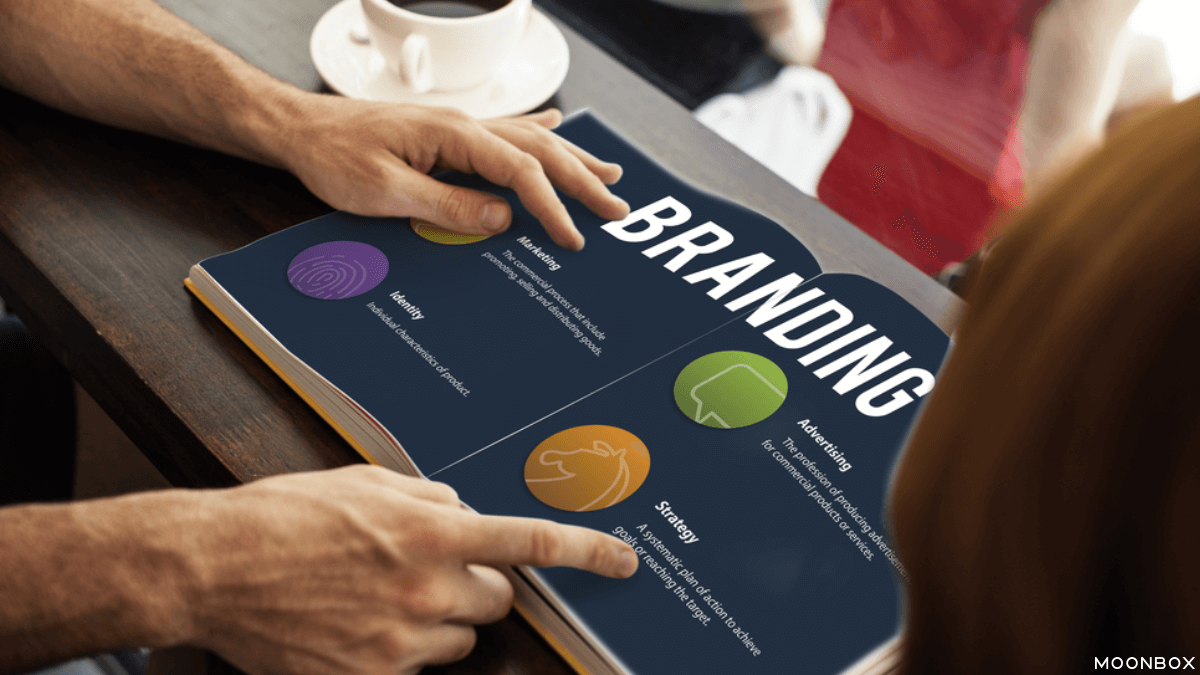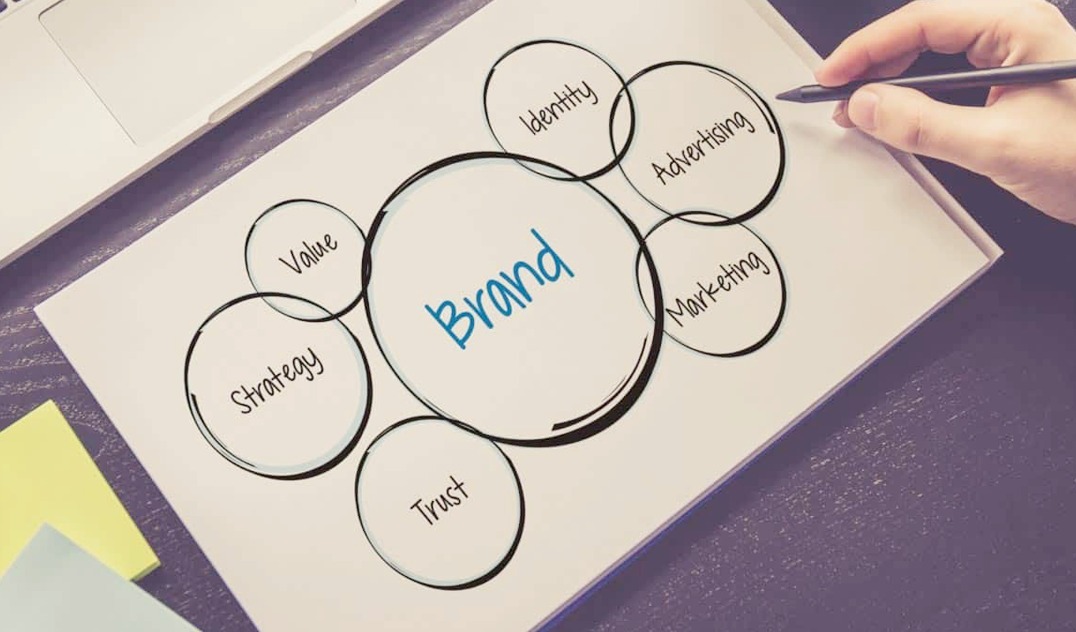
Branding is how people perceive your business, how they remember and trust it. It’s not just about how the logo looks, the color scheme, or taglines. It reflects how customers perceive you, even before they use your product or service. This perception often decides if they will pick you or a competitor.
In this contemporary market, branding is an important part of any business strategy. It can curate customers’ confidence, impact pricing, foster loyalty, and drive long-term growth. Strong branding can actually help create familiarity and trust, while weak and inconsistent branding can cause confusion and missed opportunities.
Many businesses have a notion that branding is a one-size-fits-all approach. But different business models, growth strategies, and goals will require different branding types. Understanding these branding types and choosing the right one is the key decision that can actually influence brand development, scalability, and marketing.
In this blog, we will explore seven effective branding types that successful businesses should use to stand out, build trust, and grow intentionally.
Product Branding – Driving Product Recognition & Sales
Product branding is forced more on creating a distinct identity for a specific product rather than the company as a whole. It is especially important and powerful in competitive markets where customers compare multiple options before making a decision.
Strong product branding helps customers:
- Instantly recognize a product
- Understand its unique value
- Develop trust and preference over time
Think about how certain products have become household names even when the consumer doesn’t immediately recall the parent company. That’s how product branding works, with clear messaging, consistent visual identity, and strong emotional association.
For businesses with multiple offerings, product branding can allow each product to speak directly to its customers without diluting the overall brand. It also supports premium pricing when customers associate the product with quality, reliability, or innovation.
When executed with strategic ideation, product branding does not just sell products; it can build long-term product equity.
Service Branding – Building Trust for Service-Based Businesses
Unlike products, services are intangible. Customers can not test them before purchase, which is affecting the service branding, important for credibility and reassurance.
Service branding focuses on shaping perception through:
- Consistent customer experience
- Clear messaging and tone
- Professional visual identity
- Trust signals such as testimonials, case studies, and expertise
For service-based businesses, branding your business correctly reduces perceived risk. It answers the customers’ unspoken questions: “Can I trust you to deliver?”
Professional service firms, agencies, consultants, and B2B providers rely heavily on service brands to communicate competence and reliability. The stronger the service brand, the less resistance customers feel during decision-making, and the easier it becomes to command long-term relationships rather than one-off engagements.
Corporate Branding – Strengthening Brand Authority & Reputation
Corporate branding represents the organization as a whole. It can define what the company stands for, how it behaves, and how it communicates with its customers, employees, partners, and stakeholders.
This type of branding plays a critical role in:
- Building long-term reputation
- Attracting talent and investors
- Supporting expansion and diversification
- Establishing leadership and credibility in the market
Corporate branding can go beyond marketing; it influences company culture, employer branding, and public perception. When done correctly, it can make sure there is consistency across products, services, communications, and customer experiences.
As businesses scale, corporate branding becomes more of a foundation for sustainability branding development, which can create clarity internally and confidence externally.
Personal Branding – Turning Individuals into Powerful Brands
Personal branding can transform individuals like founders, CEOs, consultants, and creators into trusted, influential brands in their own right.
In an era where people follow people before companies, personal branding builds:
- Authority and visibility
- Credibility and trust
- Strong emotional connection with audiences
Entrepreneurs and leaders who invest in personal branding can often accelerate business growth because the audience already trusts the person behind the brand. Thought leadership, consistent messaging, and authentic presence make personal branding powerful drivers of influence.
A recognizable example is how business leaders become synonymous with their industries, not because of advertising, but because of clarity, consistencym and value-driven communication.
Personal branding is not self-promotion. It is more like a strategic positioning that syncs with expertise and audience requirements.
Online Branding – Winning Customers in the Digital Space
Online branding transforms how your brand is experienced across digital platforms, your website, social platforms, search presence, and content ecosystem.
Today, most brand interactions are done online. That means perception is formed within seconds, often before a conversion ever happens.
Effective online branding ensures:
- Visual and messaging consistency
- Clear brand voice across channels
- Strong alignment between brand promise and user experience
It can include everything from website design and SEO to social media tone and content quality. When online branding is inconsistent or outdated, trust erodes quickly, regardless of how strong the business may be offline.
Winning brands treat online brands as a continuous effort, not as a one-time project, ensuring every digital interaction reinforces brand credibility.
Geographical Branding – Using Location as a Competitive Advantage
Geographical branding uses location, culture, or regional identity as a core part of branding positioning.
This branding type builds trust through:
- Local relevance
- Cultural familiarity
- Authenticity and connection
Examples can include brands associated with craftsmanship, heritage, innovation hubs, or regional expertise. For businesses operating in specific markets, geographical branding can create immediate recognition and credibility.
It can also help brands to differentiate themselves in global markets or saturated markets by giving emphasis on origin, value, and local insights, which can turn geography into a strategic asset rather than a limitation.
Co-Branding – Expanding Reach Through Strategic Partnerships
Co-branding is a collaborative branding strategy where two or more brands can come together to create a shared value.
When done strategically, co-branding allows businesses to:
- Access new audiences
- Enhance credibility through association
- Share resources and brand equity
Successful co-branding can work as both brands sync in the values, audience expectations, and quality standards. Poor alignment can, however, dilute the trust and confuse customers.
Well-known collaborations can be successful as they might feel natural and mutually reinforced. Co-branding is mostly effective when it is built on shared purpose rather than short-term visibility.
How to Choose the Right Branding Type for Your Business
Choosing the right branding type can depend on your business model, growth stage, and long-term objectives. Not every business might require every branding approach. But every business should have clarity on what it is trying to achieve.
You can start by considering whether your business is focused on product, services, or both, and whether your growth plans are local, regional, or global. It is important to decide if your brands are built around an individual, a single company, or a broader portfolio of offerings.
When branding is aligned with clarity in goal, brands can develop and become a growth driver rather than a cosmetic exercise. This is also where structured evaluations, such as identifying brand gaps, inconsistencies, or untapped opportunities, add real value, which is why many businesses begin with a formal brand audit to guide smarter, more strategic branding decisions. Many businesses can uncover these insights with a formal brand audit, which can help guide smarter, more strategic branding decisions.
Why Strategic Branding Shapes Successful Businesses
Successful brands are not built by chance. They are shaped and transformed intentionally, where strategy guides creativity and every branding decisions serve a clear purpose.
Each branding type can play different roles,
- Product branding drives choice.
- Service branding builds trust
- Corporate branding establishes authority
- Personal branding creates influence
- Online branding shapes perception
- Geographical branding builds authenticity
- Co-branding accelerates reach
When businesses apply the right mix of branding strategies, they can move beyond visibility towards loyalty, differentiation, and long-term brand equity. Branding is not just about how you look; it is about how you grow.
Why Moonbox Leads the Branding Industry
At Moonbox, branding is approached strategically, and not as a design exercise. The focus is on aligning brand identity, positioning, and experience with where the business is headed next.
Moonbox works with brands at different levels of growth—whether they are launching, scaling, or repositioning, through strategic rebranding services that align identity, positioning, and experience with long-term business goals. From structured rebranding initiatives to in-depth brand audits that uncover growth opportunities, the approach is always rooted in long-term brand development.
The goal isn’t to make brands look good; it’s to make them work better.
FAQs
- What type of branding should a growing business or startup choose?
Product branding or service branding is the most effective starting point. These branding types can be helpful to have clarity in communicating values, differentiating offerings, and building early trust in competitive markets. A corporate brand can be an option when a business scales, which can unify its identity, strengthen credibility, and support long-term brand development. The right choice depends on stage, audience maturity, and business goals.
- Do businesses need more than one type of branding to succeed?
Yes, most businesses usually use multiple types of branding. For example, a company may combine corporate branding for reputation, product branding for individual offerings, and online branding for digital visibility. Using more than one branding approach can make sure consistency across all touchpoints while allowing flexibility to address different audiences, channels, and growth objectives.
- How can branding impact customer trust and buying decisions?
Branding can directly influence how customers perceive trust, quality, and credibility. With strong branding, businesses can create familiarity, reduce perceived risk, and also help customers to make confident purchasing decisions. Consistent visual identity, messaging, and brand values signal professionalism and reliability, making customers more likely to choose your business over competitors.
- When should a company consider rebranding its business?
When its current brand is no longer reflecting its vision, audience, or market position. Common triggers usually include business expansion, entering new markets, declining engagement, outdated visuals, mergers, or a shift in strategy.
- Is branding more important for products, services, or the overall company?
Branding is important at all levels, but its focus depends on the business model. Product-driven businesses benefit from strong product branding, service-based companies rely mostly on service branding to build trust, while long-term growth is dependent on corporate branding to establish authority and reputation.