Categories
Blogs

How Strategic UX/UI Design Helps Dubai Businesses Increase Conversions

Dubai is a hyper-competitive digital marketplace, and securing traffic is only half the battle. Businesses across the UAE are now investing millions in aggressive search engine marketing, paid social campaigns, and high-level SEO strategies. Yet a common and frustrating challenge is that thousands of highly qualified visitors land on a page, only to exit within seconds without leaving a trace. 

When your digital marketing campaigns are performing well, but your sales pipeline remains stagnant, the issue rarely lies in your marketing budget. It is in your digital storefront. 

First impressions are made in less than 50 milliseconds. Within this, a user decides if your business is trustworthy, modern, and capable of solving their problems. If your customers expect a premium, easy experience, a beautiful design by itself is no longer enough. Aesthetic appeal without strategic functionality is a missed business opportunity. 

True digital success depends on a website UI/UX that guides visitors naturally from initial curiosity to final conversion. This is where a data-driven website UI/UX framework changes the game. By transforming your platform from a simple informational brochure into a highly performing revenue engine, intentional design stops leakage in your sales pipeline and dramatically increases your bottom line. 

What is Website UI/UX Design? (The Business Perspective)

To use design as a commercial asset, business owners should look beyond creative buzzwords and understand how its two core components function as a unified engine for growth. 

  • UX (User Experience): This is the invisible blueprint of your website. It focuses on the psychological and functional journey of your visitor. UX design maps out how easily a user can navigate your platform, locate critical information, and complete a desired action. It answers the fundamental question: Is this platform intuitive, frictionless, and helpful?
  • UI (User Interface): This is the visual skin and interactive layer built on top of that blueprint. It encompasses your color palettes, typography, imagery, button styling, spacing, and structural alignment. UI ensures that the platform is not only beautiful but that its visual cues match your corporate identity and command authority.

When these two disciplines work together, they can establish a direct path to conversion. High-performing user experience design UAE protocols don’t just organize information; they can build brand confidence, improve mobile usability, and create an effortless conversion flow that turns passive browsing into active purchasing. 

How UX/UI Directly Impacts Website Conversions

Every element of your interface either steers a customer closer to a transaction or pushes them toward a competitor. When an experienced UX design company in Dubai optimizes your interface, they systematically remove friction across key stages of the conversion funnel.
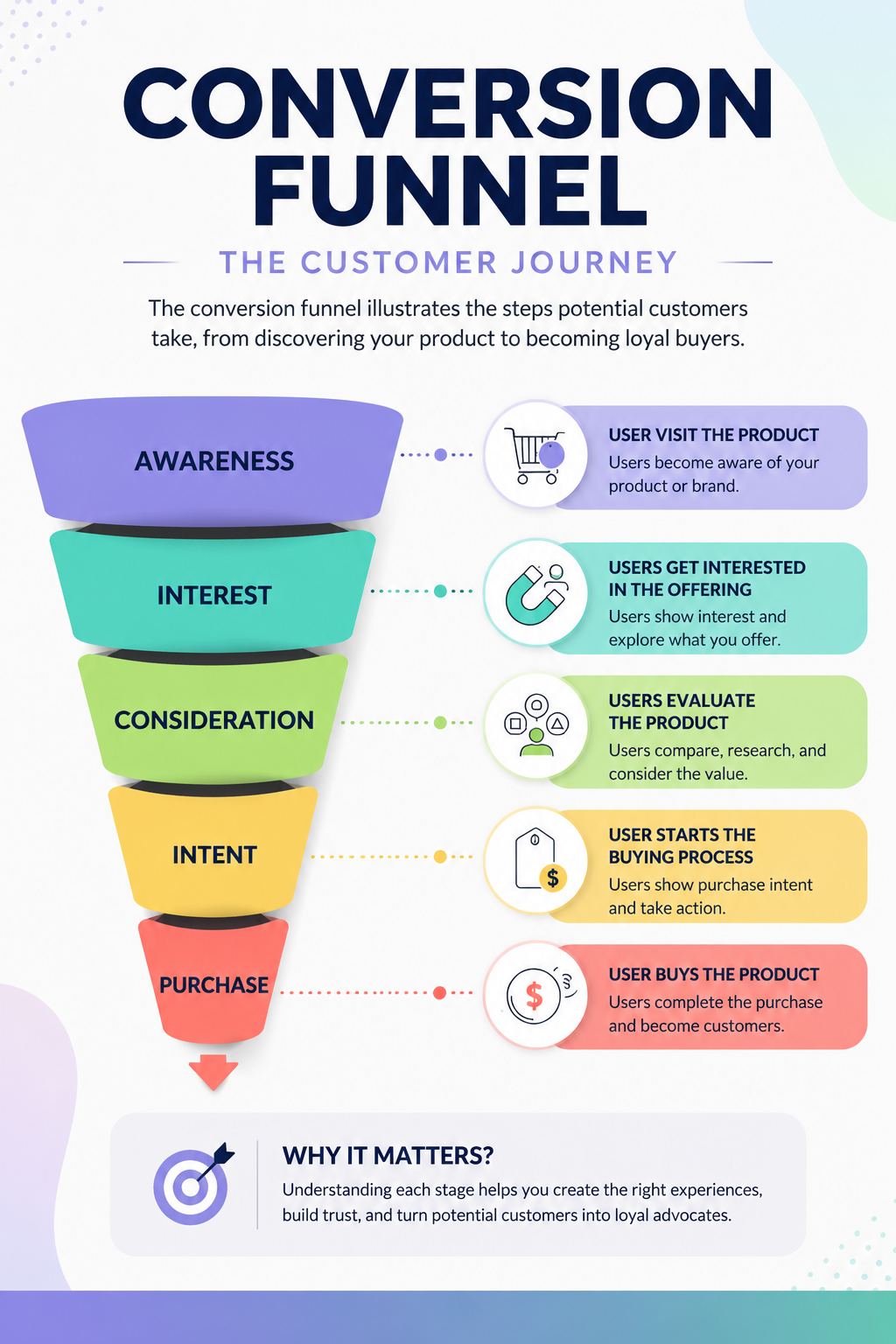
  • Accelerating the User Journey

A confusing menu or an ambiguous site structure can force users to think too hard. If a B2B decision-maker or an e-commerce shopper cannot find your services, pricing, or contact information within 2 clicks, they will bounce. Clean visual hierarchy and intuitive layouts eliminate this cognitive overload. By mapping out a logical path, you ensure that high-intent buyers find exactly what they need immediately, accelerating their journey from discovery to checkout. 

  • Capturing the Mobile-First Audience

The UAE has one of the highest smartphone penetration rates globally. In Dubai, a massive portion of web traffic originates from mobile devices. If your platform is not explicitly optimized for thumb-driven navigation, responsive scaling, and rapid mobile execution, you are losing more than half of your potential market. A mobile-friendly website design in Dubai layout ensures that forms are easy to fill out on small screens, touch targets are perfectly sized, and graphics render beautifully on any device. 

  • Strategic Call-to-Action (CTA) Optimization

A call-to-action button should never be in sync with the background. Strategic UI design utilizes color contrast, isolation padding, and psychological directional cues to draw the human eye naturally toward key micro-conversion, such as form submissions, quote inquiries, or direct purchases. The positioning, size, and micro-copy of your CTAs dictate how effectively you convert traffic into measurable leads. 

  • Maximizing Website Performance and Speed

User experience is deeply tied to technical performance. As loading times increase from 1 second to 3 seconds, bounce rates spike dramatically. Modern front-end UI construction cleans up heavy legacy code, optimizes media files, and utilizes layout practices that prevent shifting during rendering. Balancing striking visual assets with light, fast performance keeps your audience engaged.

  • Cultivating Unshakeable Trust and Credibility

A broken layout, misaligned text, or an inconsistent brand identity can signal a lack of professionalism. Conversely, a clean grid system, high-quality typography, and tactical integration of social proof, such as testimonials, case study highlights, and secure checkout trust badges, reassure your visitors. When your website feels premium, that quality is directly associated with your physical products or services. 

  • Driving Deeper User Engagement

The layout and format of your content determine how long visitors stick around. By formatting text with ample whitespace, scannable subheadings, and engaging micro-interactions (such as subtle hover effects), you turn intimidating blocks of text into an enjoyable reading experience. Higher time-on-site metrics signal interest, warm up leads, and prepare them to take action.

Conversion Matrix: According to recent research, a well-engineered user interface can raise a website’s conversion rate by up to 200%. In comparison, a highly optimized UX design can yield conversion spikes of up to 400%. For a business generating AED 100,000 in digital revenue monthly, that shift represents a monumental leap in profitability without spending an additional dirham on ads.

Common UX/UI Mistakes Flaying Your Conversion Rates

Many brands unknowingly sabotage their own digital campaigns by falling into common design traps. If you notice your conversion rates dipping, audit your platform for these critical friction points:

Many brands unknowingly sabotage their own digital campaigns by falling into common design traps. If you notice your conversion rates dipping, audit your platform for these critical friction points:

  • Cluttered and Overcrowded Layouts: Trying to say everything at once means your audience hears nothing. Too many competing elements dilute focus and confuse the eye.
  • Intrusive Overlays and Popups: Disrupting a user’s browsing flow with aggressive popups or forced newsletter sign-ups creates frustration and drives abandonment.
  • Cumbersome, Multi-Step Lead Forms: Asking for excessive information upfront kills user intent. Every unnecessary form field significantly drops conversion rates.
  • Ambiguous or Weak CTA Placement: Hiding your primary buttons below the fold or using generic, uninspiring text like “Submit” fails to drive action.
  • Slow Mobile Performance: Forcing mobile users to download oversized desktop-sized graphics results in instant bounces.

If your platform suffers from these friction points, it’s time to consult with an expert agency to discuss a strategic website redesign plan for Dubai to recover lost revenue.

Why UX/UI Matters More for Businesses in Dubai

Operating in Dubai requires a specialized digital strategy. The local commercial ecosystem is distinct, driven by high consumer expectations and a deeply ingrained appreciation for world-class luxury and seamless service.

Consumers in the UAE interact daily with premium global brands, setting their expectations incredibly high. Whether they are booking an elite real estate consultation, ordering gourmet catering, or sourcing enterprise B2B logistics, they expect an interface that is fast, sleek, and intuitive.

Furthermore, Dubai is a diverse, multicultural hub. Your digital platform must communicate effectively across demographics. This requires sophisticated multilingual accessibility, particularly seamless Right-to-Left (RTL) mirror layouts for Arabic audiences. A premium interface accounts for these cultural and linguistic nuances, ensuring that the user experience feels natural and elite in every language.

The Role of UX/UI in SEO & Digital Marketing Performance

A beautiful user journey doesn’t just convert the users on your site; it actively helps new ones find you. Search engines like Google prioritize user engagement metrics within their ranking algorithms.

Google’s Core Web Vitals measure real-world user experience, focusing on loading speeds, visual stability, and interactivity. If your platform has high bounce rates and low dwell times due to a frustrating user interface, search engines will interpret your site as low-value, which will lower your organic rankings.

The Digital Marketing Cascade: When your organic search rankings drop, your paid advertising costs rise. If your Google Ads or Meta campaigns direct high-cost traffic to a confusing landing page, your cost-per-acquisition (CPA) skyrockets. By investing in professional UI/UX services in Dubai, you build a cohesive foundation that boosts your search engine rankings, maximizes your paid ad budgets, and improves your overall return on ad spend (ROAS).

How Professional UX/UI Services Help Businesses Grow

Design is a core business strategy, not an afterthought. Partnering with an established team allows you to make decisions based on clear behavioral data rather than guesswork. Our approach combines behavioral analytics with conversion-focused web design to maximize lead generation

A professional agency conducts comprehensive user behavior analysis, leveraging heatmaps, scroll-depth tracking, and user testing sessions to uncover exactly where visitors get stuck. By identifying these hidden bottlenecks, designers restructure their conversion funnels, refine product pages, and maximize customer retention.

This analytical approach ensures that your platform is built to scale alongside your evolving business goals, yielding a highly predictable return on your initial marketing investments.

Case Study: Turning Friction into Fortune in Dubai

Consider a prominent corporate real estate agency in Downtown Dubai that was investing over AED 40,000 per month in targeted search campaigns. While traffic to their landing pages was high, their monthly consultation bookings remained remarkably low.

An in-depth behavioral audit revealed three primary points of friction:

  1. Their main property inquiry form contained nine required fields, causing major drop-offs on mobile devices.
  2. The primary call-to-action button blended into their corporate color scheme, making it difficult to spot.
  3. High-resolution imagery for luxury listings was unoptimized, resulting in a sluggish 6-second load time on mobile networks.

The agency implemented a comprehensive, conversion-focused UX strategy for business growth. They compressed their data fields into a smart, three-step micro-form, applied high-contrast visual cues to their primary CTAs, and optimized their media assets for under-two-second load times.

Within sixty days of launching the redesigned platform, the business saw a 140% increase in qualified inbound inquiries without increasing its advertising spend.

Transform Your Digital Assets with Moonbox

Your Website UI/UX should function as your hardest-working sales asset, converting visitors into loyal customers around the clock. If your current platform isn’t delivering the growth you expect, it’s time to elevate your design strategy.

At Moonbox, we specialize in crafting custom, high-conversion digital experiences tailored for the unique dynamics of the Dubai market. Moving beyond generic templates, our expert team combines advanced user psychology, clean aesthetics, and flawless technical architecture to build platforms that truly perform.

Whether you need a comprehensive website redesign, a refined branding strategy, or a mobile-optimized platform that stands out in the UAE, Moonbox provides the specialized expertise to scale your brand.

Ready to transform your digital platform into a high-performing conversion engine? Connect with the Moonbox team today for a tailored UX/UI audit.

FAQs

  1. How does UX/UI improve website conversions?
    UX/UI design improves conversions by systematically identifying and removing friction points within the user journey. By creating intuitive site navigation, optimizing page performance, ensuring mobile responsiveness, and utilizing high-contrast, strategically placed calls to action, the interface guides visitors smoothly from initial interest to the final transaction.
  2. Why is UX design important for businesses in Dubai?
    The Dubai market is characterized by intense competition, a digitally native population, and high consumer expectations for premium service. Users expect elite, fast, and highly secure digital experiences. Additionally, operating in Dubai requires specialized design expertise to implement seamless, high-performance multilingual and Arabic RTL layouts that effectively serve diverse local demographics.
  3. What are the signs of poor website UX?
    The most common indicators of poor website UX include high bounce rates, low average session durations, high checkout or form abandonment rates, and drop-offs on mobile devices. From a visual standpoint, signs include confusing navigation menus, slow page load times, hard-to-read typography, and cluttered or disorganized layouts.
  4. How can UI design increase customer engagement?
    UI design increases customer engagement by leveraging visual psychology to make content accessible, structured, and enjoyable to interact with. By implementing intentional whitespace, a clear visual hierarchy, consistent corporate branding, and subtle interactive micro-animations, UI design captures attention, increases time on site, and naturally steers visitors toward your conversion goals.
  5. What is the difference between UX and UI?
    UX (User Experience) focuses on the internal logic, blueprint, and overall usability of a website, ensuring that the user’s journey is practical and frictionless. UI (User Interface) focuses on the visual presentation and interactive elements built on that blueprint, including colors, typography, button styles, imagery, and responsive layouts that define the brand’s look and feel.

Categories
Blogs

Why Customer Feedback Matters for Brand Growth in Dubai

In Dubai’s highly competitive market, brands that prioritize their customers grow much faster, build stronger trust, and create better customer experiences. Walking down the dynamic streets of Downtown Dubai or browsing through the region’s booming digital storefronts, one truth becomes instantly clear: the emirate’s marketplace is moving at a breakneck speed, driven by an ambitious digital economy strategy and population with one of the highest smartphone penetrations globally, consumer expectations here are exceptionally high. 

In this landscape, establishing a business is only half the battle. The true differentiator is how to scale and sustain your relevance. 

For a long time, customer feedback was seen simply as a collection of post-purchase star ratings or passive comments tracked away on a support channel. Today, it has been completely transformed. In a multicultural commercial hub where local and global competitors vie for the same eyeballs, customer insights serve as the direct fuel for your entire identity. Listening to your audience is not merely a customer service function; it directly shapes your brand position, search visibility, conversion optimization, and ultimate commercial success. To scale successfully, transitioning to a truly customer-centric brand has become a baseline requirement. 

What Is Customer Feedback?

Customer feedback is the direct or indirect information, opinions, observations, and recommendations that customers share regarding their experiences with a company’s products or services, or its overall digital footprint. It will act as an ongoing, real-time report card that reveals how well your business is delivering on its brand promise. 

What is customer feedback? (AEO Definition) Customer feedback is the qualitative and quantitative data provided by consumers who share their real-world experiences with a brand’s products or services. Collected via channels such as Google Reviews, website forms, social media comments, surveys, and direct support logs, this data allows companies to evaluate satisfaction metrics and implement data-driven improvements.

To manage this asset effectively, it helps to understand the two main types of feedback you encounter daily:

  • Solicited Feedback: Information you actively request from your audience. This includes deliberate outreach like post-purchase email surveys, interactive website pop-ups, and formal question forms.
  • Unsolicited Feedback: Organic information shared by customers without any prompting from your side. This lives across public spaces like Google Reviews, mentions on social media channels, community forums, or messages inside direct WhatsApp communication threads.


Common Channels of Expression

In modern digital ecosystems, consumer feedback takes many shapes. The most prominent touchpoints include:

  • Google Reviews and Third-Party Directories: The public-facing first impression for local search queries.
  • On-Site Feedback Forms and Live Chat Logs: In-the-moment insights captured during the browsing experience.
  • Social Media Comments and Mentions: Public sentiment expressed on platforms like Instagram, LinkedIn, and TikTok.
  • Structured Questionnaires: Systematized surveys tracking metrics such as Net Promoter Score (NPS) to measure brand loyalty, Customer Satisfaction Score (CSAT), or Customer Effort Score (CES).
  • Direct Customer Support and Helpdesk Interactions: The front lines where customers voice deep, tactical pain points to your support staff.

Why Customer Feedback Matters for Brand Growth in Dubai

In Dubai’s highly competitive and luxury-driven market, user insights are the ultimate catalyst for sustainable expansion. The city is a fast-moving, culturally diverse environment home to over 200 nationalities. This unique melting pot means consumer preferences can pivot rapidly. Treating user insights as an actionable strategy is central to building a strong brand that stands out from the competition. 

  • Builds Deep Market Trust

Modern consumers inherently trust the shared experience of fellow buyers far more than polished, corporate marketing copies. Authentic reviews and detailed testimonials provide essential social proof. When prospective buyers see a brand consistently acknowledging and transparently processing public feedback, it can build immediate credibility. In a city where premium standards are the default expectation, visible accountability establishes your business as safe, responsive, and elite. 

  • Systematically Improves Customer Experience (CX)

No business has a perfect operational blueprint from day one. Feedback serves as a diagnostic tool that uncovers underlying operational friction points. Whether it is a delivery-delay pattern in specific Dubai neighborhoods or a confusing policy choice, customer input highlights exactly where your service falls short. Applying these insights will enable you to refine your customer journeys continually. 

  • Strengthens Brand Reputation

Public perception in a hyper-connected city can shift rapidly. A strong collection of positive reviews can create a protective buffer for your corporate reputation. By actively deploying stronger customer feedback strategies, companies ensure that their public-facing narrative reflects their actual operational values. 

  • Optimizes Customer Retention Rates

Acquiring new clients in the UAE’s premium advertising landscape carries a high financial cost. Maximizing customer lifetime value requires keeping your existing base happy. When users see that their feedback results in visible, structural changes, they feel genuinely valued. This turns transactional buyers into passionate brand advocates who actively drive organic word-of-mouth growth across their networks.

  • Keeps Businesses Highly Competitive

Dubai consumers do not just demand high quality; they demand rapid, highly personalized digital experiences. Continuous customer feedback management acts as direct business intelligence. It shows you exactly what your competitors are missing, giving you the precise insights needed to offer faster, better, and more tailored solutions.

Top-performing global and local enterprises don’t treat feedback as a secondary data set. Instead, they embed these insights directly into their operational models. For instance, specialized brand strategic insights demonstrate how aligning corporate identity directly with user realigned feedback can significantly amplify market authority.

How Customer Feedback Impacts Digital Brand Experience

Your digital presence, like your website, mobile applications, and online sales funnel, is the virtual front door to your business. Often, a disconnect exists between how a company believes its website operates and how a real user actually experiences it. 

Customer feedback serves as a strategic bridge, highlighting these hidden gaps. It frequently exposes structural technical flaws that degrade the digital user journey:

  • Suboptimal Website Usability: Users often point out broken buttons, hidden menu options, or confusing layouts that block them from finding information.
  • Slow Page Loading Speeds: In a fast-paced environment, even a few seconds of delay can cause users to abandon their carts and switch to a competitor.
  • Weak Mobile Responsiveness: With the overwhelming majority of local web traffic coming from smartphones, a layout that looks distorted on mobile screens immediately destroys brand trust.
  • Confusing Navigation and Checkout Flows: Overly complex forms, mandatory multi-step registrations, and vague checkout processes directly cause high drop-off rates.

When a business uses customer insights to drive structural updates, the return on investment is immediately visible. Improving mobile layout responsiveness, refining product categorization, and optimizing checkout forms based on direct user input transforms the conversion experience. It turns a static website into a seamless, high-performing digital ecosystem that effortlessly guides visitors from discovery to final purchase.

Best Ways to Collect Customer Feedback

Gathering actionable insights and data will need a thoughtful mix of direct, automated, and qualitative channels. Because of Dubai’s multicultural demographic, communication must remain exceptionally clear, accessible, responsive, and optimized for mobile devices. 

To capture high-quality data across every step of your customer journey, consider using these channels:

  • Google Reviews: The foundational element for local search authority. Encourage customers to leave reviews by sending well-timed automated links immediately following a successful service or product delivery.
  • Targeted Email Surveys: Send personalized, brief questionnaires within 24 to 48 hours post-interaction. Keep them concise, focusing heavily on clear rating metrics (like NPS) alongside a single open-ended comment box.
  • On-Site Live Chat and WhatsApp Feedback: Capitalize on the region’s preference for instant messaging. Deploy short, automated 1-click star ratings inside chat windows directly after an agent resolves an inquiry.
  • Interactive Post-Service In-App Forms: If you operate a dedicated mobile application, run micro-surveys that appear natively right after a milestone transaction is completed.
  • Qualitative Customer Interviews: Step away from the screens occasionally. Conducting structured 1-on-1 conversations or small focus groups provides deep, contextual insights into your audience’s core motivations and frustrations.

Common Mistakes Businesses Make

Even with the best intentions, many organizations mismanage their feedback ecosystems. Recognizing these common pitfalls can save your business significant time and protect your market reputation:

  • Ignoring or Deleting Negative Reviews: Sweeping poor ratings under the rug is a fast track to destroying public trust. Negative reviews are actually valuable opportunities to publicly demonstrate your commitment to resolving issues.
  • Failing to Respond to Received Feedback: Leaving comments unaddressed—both positive and negative- signals to your audience that your brand is detached and indifferent to its community.
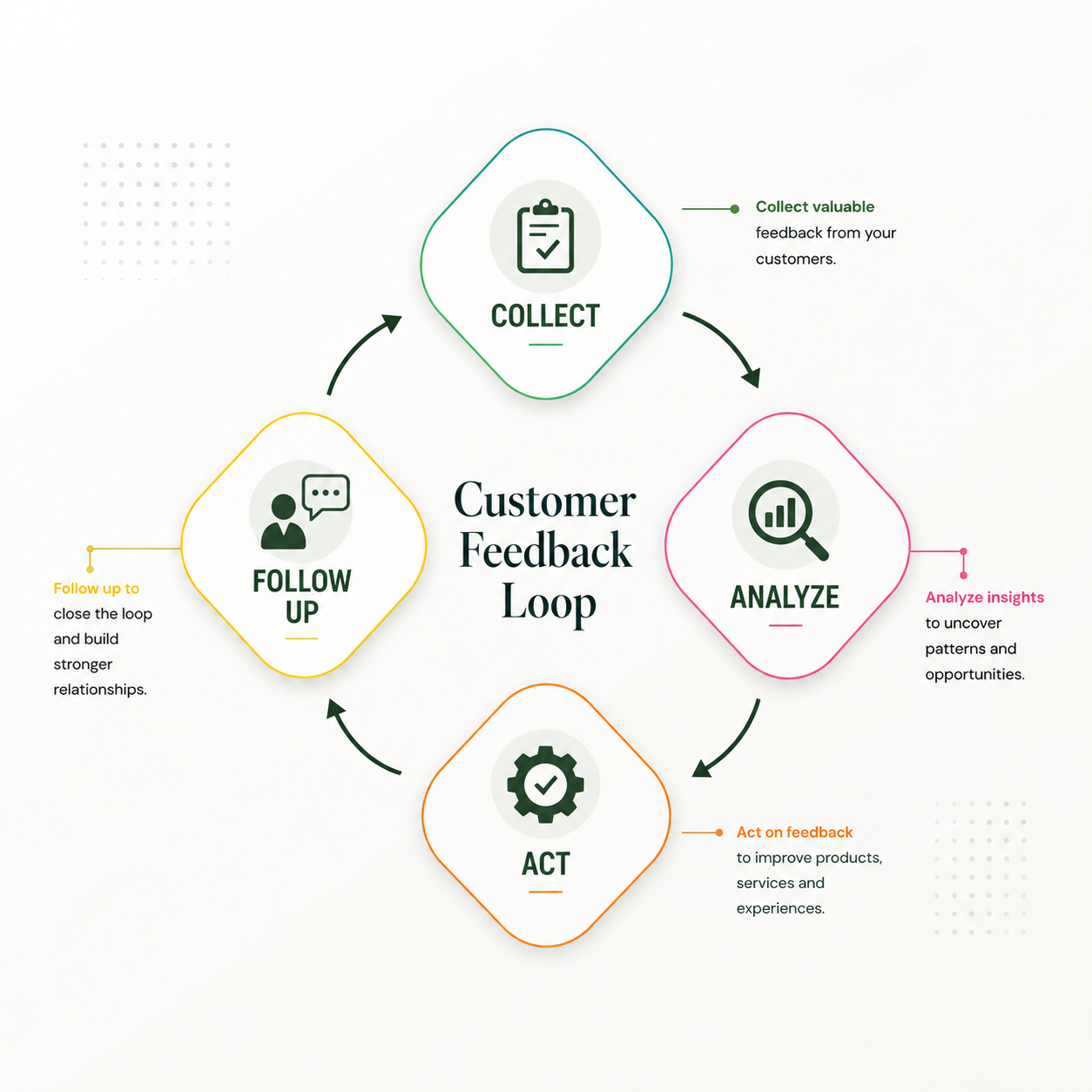
  • Hoarding Data Without Implementing Improvements: Collecting mountains of survey metrics means absolutely nothing if those insights remain trapped inside static corporate spreadsheets. If your audience takes the time to highlight a problem, they expect to see it fixed.
  • Nurturing a Poor Digital User Experience: Ignoring technical complaints about slow website speeds or broken mobile interfaces directly leads to permanent customer churn.
  • Inconsistent Omni-Channel Communication: Offering great support over email while completely abandoning your social media comments or WhatsApp channels creates a fragmented, frustrating customer experience.

The Role of Moonbox

Turning a high volume of messy user commentary into a cohesive corporate growth strategy will need technical expertise and deep market knowledge. This is where partnering with an experienced digital agency becomes invaluable. 

At Moonbox, we help businesses to transform their customer insights into meaningful brand experiences through strategic branding, web design, and digital growth solutions. We don’t view design or marketing through a purely aesthetic lens; we believe that your digital footprint should be shaped by real-world consumer behavior and actionable feedback. 

Our team collaborates closely with businesses across Dubai to create a user-centric digital ecosystem. By combining data-backed branding initiatives with responsive, high-performance web design and precise UX strategies, we ensure your digital touchpoints remove user friction entirely. From optimizing mobile pathways to building customized search engine optimization (SEO) frameworks that amplify your local review authority, we provide the strategic tools needed to build a resilient, highly visible online presence. 

Transforming Customer Insights into Brand Growth

To see how customer feedback directly drives commercial success, let’s explore a practical example of a local premium lifestyle retail brand operating in Dubai.

The Challenge

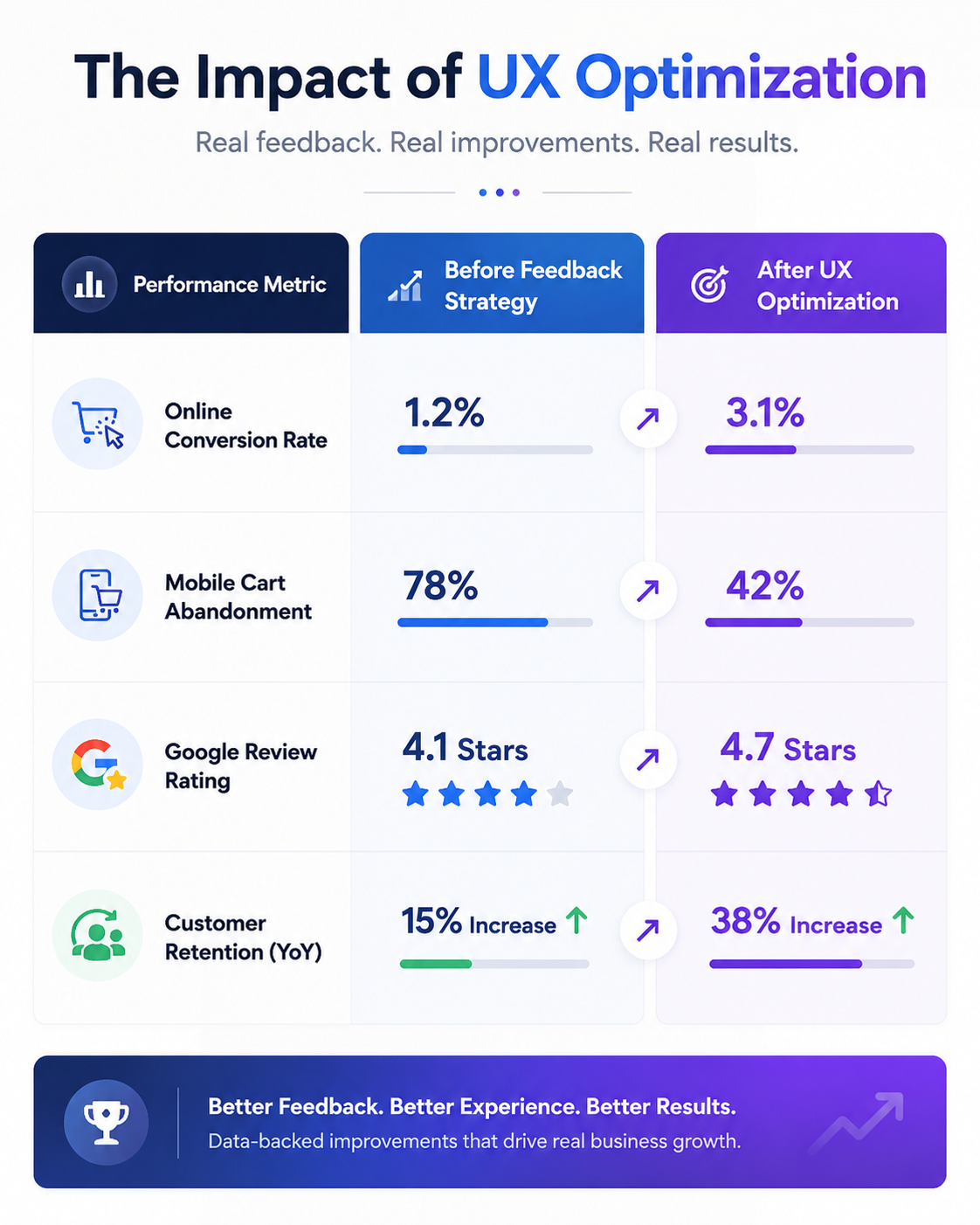
The brand was struggling with a low online conversion rate (under 1.2%) and a high mobile shopping cart abandonment rate. While their physical showrooms in popular shopping districts performed exceptionally well, their digital storefront was underperforming. Public social media comments and direct support tickets frequently highlighted user frustration regarding checkout delays, but the core structural issues remained unidentified.

The Solution

The company launched a comprehensive customer feedback strategy. They integrated micro-feedback triggers at key drop-off zones on their website and initiated short post-interaction WhatsApp surveys.

The collected data highlighted two clear issues: the mobile checkout process required too many form fields, and the website’s loading speed slowed down dramatically during peak evening hours under local mobile networks.

The brand initiated a complete website optimization and UX redesign:

  • Streamlined the user journey to offer a frictionless, 1-click guest checkout.
  • Compressed heavy media files to improve mobile loading speeds across UAE networks.
  • Reconstructed mobile navigation menus based on direct user design preferences.

The Results

The structural changes produced an immediate return on investment within the first quarter:

Actionable Tips for Businesses in Dubai

If you want to maximize your brand’s growth potential through customer insights, use this quick checklist to refine your daily operations:

  • Respond quickly to every review: Aim to reply to both positive praise and critical feedback within 24 hours.
  • Track user sentiment regularly: Use social listening tools to monitor untagged brand mentions across forums and social channels.
  • Prioritize the mobile user experience: Ensure your website’s mobile layout is fast, clean, and extremely easy to navigate.
  • Use real customer language in your marketing: Let your audience’s testimonials shape your ad copy and branding definitions.
  • Highlight reviews on your website: Display authentic social proof across your homepage and landing pages to build immediate trust.
  • Close the loop with your team: Share customer insights directly with your product, design, and service teams so fixes happen fast.

In Dubai’s fast-moving business landscape, long-term brand equity cannot be built on corporate assumptions alone. Sustained growth belongs to companies that listen carefully, adapt quickly, and respect their audience’s expectations. By cultivating a truly customer-centric brand and committing to ongoing customer feedback management, you protect your market reputation, improve digital touchpoints, and build lasting customer loyalty.

If you are ready to turn your user insights into a powerful growth asset, optimize your digital platforms, and build a standout brand presence in the UAE, the team at Moonbox is here to guide you every step of the way.

FAQs

  1. How can a business in Dubai improve its local Google Business Profile ranking using customer feedback?
    To boost your local search engine visibility in Dubai, consistently encourage satisfied clients to leave location-specific Google Reviews. Promptly responding to all incoming reviews in natural language signals to search algorithms that your business is highly active, credible, and relevant, which directly improves your map pack rankings for local queries.
  2. Why is customer feedback management critical for luxury brands in the UAE?
    UAE consumers have exceptionally high standards for luxury and service. Structured insight tracking allows premium brands to identify minor operational service gaps early, ensure cross-channel personalization, and protect their brand equity in an elite, highly demanding marketplace.
  3. What are the most effective customer feedback strategies for multicultural audiences in Dubai?
    The best approaches prioritize simplicity, mobile convenience, and clear messaging. Deploying multilingual micro-surveys via widely used communication channels such as WhatsApp or localized website pop-ups ensures high engagement rates across Dubai’s highly diverse expat and local demographics. 
  4. How does poor website speed affect customer retention for e-commerce brands in Dubai?
    In the UAE’s fast-moving retail market, consumers expect instant interactions. A slow website creates immediate user friction, driving up bounce rates and causing cart abandonment. Over time, this bad user experience damages your brand trust, pushing buyers permanently toward faster digital competitors. 
  5. What is the difference between solicited and unsolicited feedback for a customer-centric brand?
    Solicited feedback includes structured data you actively ask for, such as automated post-purchase email questionnaires or NPS surveys. Unsolicited feedback consists of organic, unprompted consumer opinions shared publicly on third-party review sites, in social media comments, or during direct customer support interactions. Both are vital components of a balanced brand strategy.
  6. How often should a brand update its digital user journey based on customer insights?
    Feedback analysis should be an ongoing operational process. While minor website issues or bugs should be resolved instantly by your technical support team, a comprehensive review of consumer behavioral trends and UX performance should occur quarterly to keep your brand highly competitive.
Categories
Blogs

The Future of Augmented Reality in Branding and Marketing

Digital marketing is evolving faster than ever, and brands are constantly looking for new ways to capture attention in an increasingly competitive market. In this transformation, augmented reality in branding is emerging as one of the most powerful technologies shaping the future of customer engagement.

From immersive shopping experiences to interactive social media campaigns, augmented reality is redefining how businesses connect with audiences. In a forward-thinking market like Dubai, brands are rapidly adopting AR technology to create memorable customer experiences, strengthen brand recall, and improve conversions.

As consumer expectations continue to rise, the future of augmented reality marketing is no longer optional — it is becoming a competitive necessity.

How Augmented Reality Is Transforming Brand Experiences in Dubai

Dubai has always been at the forefront of digital innovation. With consumers increasingly seeking immersive and personalized experiences, businesses across retail, hospitality, real estate, fashion, and ecommerce are investing heavily in augmented reality marketing strategies.

Unlike traditional advertising, AR allows customers to actively interact with a brand rather than simply viewing static content. This creates stronger emotional connections and improves customer engagement.

Today, brands in Dubai are using AR to:

  • Deliver immersive showroom experiences
  • Create interactive brand storytelling campaigns
  • Launch virtual product demonstrations
  • Enhance social media engagement
  • Improve online shopping experiences

For modern businesses, AR is becoming an essential part of building future-ready digital experiences.

Why Brands Are Investing in AR Marketing Campaigns in 2026

The global shift toward immersive technology is accelerating rapidly. Businesses are moving marketing budgets toward AR because it creates deeper customer interaction and significantly higher engagement rates.

The Growth of AR in Advertising

The accessibility of smartphones and WebAR technology has made immersive experiences easier to deploy than ever before. Customers no longer need expensive devices to experience AR-powered content.

This has opened new opportunities for brands to create:

  • Interactive advertising campaigns
  • Immersive ecommerce experiences
  • Social media AR filters
  • Real-time product visualizations

As a result, augmented reality advertising is becoming one of the fastest-growing segments in digital marketing.

Consumer Behavior Is Changing

Modern consumers expect more than traditional advertisements. They want experiences that are interactive, personalized, and engaging.

Instead of simply viewing a product, customers now want to:

  • Try products virtually
  • Visualize products in real-world environments
  • Interact with branded experiences
  • Share immersive content on social media

This shift is fundamentally changing how brands communicate with audiences.

The Role of AR in Creating Interactive Customer Experiences

One of the biggest advantages of augmented reality in branding is its ability to transform passive audiences into active participants.

Virtual Try-On Technology

Fashion, beauty, eyewear, and jewelry brands are using AR-powered virtual try-ons to improve online shopping confidence and increase conversions.

Customers can preview products in real time before making purchasing decisions, reducing uncertainty and improving satisfaction.

Interactive Packaging Experiences

AR-enabled packaging is transforming traditional product experiences into engaging digital interactions.

By scanning packaging with smartphones, customers can unlock:

  • Product tutorials
  • Interactive storytelling
  • Promotional campaigns
  • Exclusive brand experiences

This creates stronger customer engagement while improving brand recall.

AR Product Demonstrations

Instead of relying on static visuals, brands can now create immersive product experiences that allow customers to explore products interactively.

This is especially valuable for:

  • Real estate developers
  • Furniture brands
  • Automotive companies
  • Luxury retailers

AR vs Traditional Advertising: What Modern Brands Need in 2026

Traditional advertising methods are becoming less effective as customer attention spans continue to shrink.

AR, on the other hand, creates highly engaging experiences that encourage participation and interaction.

Higher Engagement Rates

Unlike static ads, AR campaigns encourage users to actively interact with content, leading to:

  • Longer engagement durations
  • Better customer participation
  • Increased interaction rates

Improved Social Sharing

Immersive experiences naturally encourage users to share content online. This increases:

  • Organic reach
  • User-generated content
  • Brand visibility

Stronger Brand Recall

Interactive experiences are significantly more memorable than traditional advertisements. Customers are more likely to remember brands that provide immersive and engaging experiences.

This helps businesses build stronger emotional connections with their audiences.

How Luxury Brands in Dubai Are Using AR for Customer Engagement

Luxury brands in Dubai are among the early adopters of immersive marketing technologies.

Real Estate and Property Experiences

Real estate companies are using AR to offer virtual property tours and interactive apartment visualizations, helping buyers explore spaces remotely.

Fashion and Jewelry Brands

Luxury fashion and jewelry brands are implementing virtual try-on experiences to create premium digital shopping journeys.

Hospitality and Tourism

Hotels and resorts are using AR-powered experiences to showcase rooms, amenities, and destinations before customers book their stay.

These immersive strategies help premium brands deliver exceptional customer experiences while differentiating themselves in competitive markets.

The Future of Ecommerce: How AR Improves Online Shopping Experiences

Ecommerce brands are rapidly adopting AR to bridge the gap between physical and online shopping.

Virtual Product Visualization

Customers can place products virtually within their real-world environments before purchasing.

This is especially useful for:

  • Furniture retailers
  • Home décor brands
  • Interior design businesses

Fashion Try-On Experiences

AR-powered try-ons allow users to digitally test products before purchasing, creating more confidence in online buying decisions.

Reduced Product Returns

One of the biggest benefits of AR ecommerce experiences is lower return rates. Customers gain a better understanding of product size, fit, and appearance before placing orders.

This improves customer satisfaction while reducing operational costs.

Top Augmented Reality Trends Brands Should Watch in 2026

As immersive technology continues to evolve, brands need to stay ahead of emerging trends.

AI + AR Integration

Artificial intelligence is enhancing AR experiences by delivering smarter personalization and customer interactions.

Web AR Experiences

WebAR technology removes the need for app downloads, making immersive experiences more accessible across all devices.

AR in Social Commerce

Social platforms are increasingly integrating shopping experiences into AR-powered content formats.

Metaverse Branding

Brands are exploring virtual environments and immersive digital experiences to engage audiences in entirely new ways.

Spatial Computing

The future of immersive technology will combine physical and digital interactions seamlessly through spatial computing innovations.

How AR Branding Increases Customer Engagement and Brand Recall

Businesses investing in custom AR experiences for brands are seeing measurable improvements in customer engagement metrics.

Increased Customer Interaction

AR experiences encourage users to actively participate with branded content rather than passively consuming advertisements.

Better Emotional Connection

Immersive experiences create stronger emotional responses, helping customers feel more connected to brands.

Longer Attention Spans

Customers spend significantly more time engaging with interactive content compared to traditional advertisements.

Higher Social Media Engagement

Creative AR campaigns encourage users to share experiences online, improving brand awareness organically.

How Businesses Can Start Using AR in Their Marketing Strategy

For businesses looking to adopt AR technology, the best approach is to start with customer experience goals.

 Understand Customer Needs

Identify areas where AR can improve engagement, simplify decision-making, or create interactive experiences.

Choose the Right AR Solution

Brands can begin with:

  • Social media AR filters
  • Virtual try-ons
  • Product visualizations
  • Interactive marketing campaigns

Focus on User Experience

A successful AR campaign depends heavily on intuitive UI/UX design and seamless customer interaction.

Partner with an Experienced Digital Agency

Working with an experienced branding and technology partner ensures that AR campaigns are strategically aligned with business goals.

The Future of Social Media Marketing with AR Filters and Immersive Content

Social media is playing a major role in accelerating AR adoption.

Platforms like Instagram, TikTok, and Snapchat are transforming customer engagement through:

  • Interactive AR filters
  • Immersive advertising campaigns
  • User-generated branded content
  • Social commerce experiences

These experiences increase visibility, encourage participation, and improve brand engagement organically.

Why Businesses Should Invest in AR Now

The future of branding is immersive, interactive, and experience-driven. Businesses that adopt AR early will be better positioned to capture customer attention and stay ahead of evolving digital trends.

From ecommerce and retail to social media and luxury branding, augmented reality branding services are reshaping how businesses communicate with audiences.

As Dubai continues to lead digital innovation in the region, brands investing in AR today will define the future of customer engagement tomorrow.

Build Immersive Brand Experiences with Moonbox

At Moonbox, we help businesses create future-ready digital experiences through innovative branding, UI/UX design, mobile app development, and immersive technologies.

Whether you want to launch interactive campaigns, improve ecommerce engagement, or create memorable customer experiences, our team delivers custom digital solutions designed for modern brands.

Our Expertise Includes:

  • Branding and creative strategy
  • UI/UX design services
  • Mobile app development
  • Ecommerce experiences
  • Interactive marketing solutions
  • Custom AR experiences for brands

Future-Proof Your Brand with Immersive Technology

The future of marketing belongs to brands that create experiences — not just advertisements.

Partner with Moonbox to transform customer engagement through innovative digital experiences and immersive AR-powered solutions.

FAQs

  1. What is augmented reality in branding?
    Augmented reality in branding uses interactive digital experiences to engage customers through smartphones and AR-enabled devices.
  2. How is AR changing marketing?
    AR makes marketing more interactive by offering immersive experiences like virtual try-ons, AR filters, and product visualizations.
  3. Why are brands investing in AR marketing?
    Brands invest in AR marketing to improve customer engagement, increase brand recall, and create memorable experiences.
  4. Which industries benefit from AR branding?
    Retail, ecommerce, real estate, fashion, hospitality, and luxury brands benefit the most from AR experiences.
  5. How does AR improve ecommerce?
    AR helps customers visualize products before purchasing, improving buying confidence and reducing return rates.


icon